
Mines
Reading Hellworld #8


Below is the seventh entry in the “Reading Hellworld” series, examining the artisanal mining industry in the DRC and Tanzania in more detail. The main goal of this piece is offer readers a first-hand view of a mine via a series of photos and videos sent to me by one of my original respondents during my field work in 2020, who just coincidentally returned to the countryside to tend to an inherited mining plot. In the intervening years, we’ve kept in touch and he periodically sends me photos and videos from the venture and intermittently answers my questions about the industry. That material is a large part of what I’d like to share here, accompanied by some general information framing the context of the industry as a whole. As always, remember that these entries are nothing more than rough notes rather than polished articles. In particular, this piece includes quite a bit of speculation about the details of the mining process being used.
The final chapters of Hellworld review industrial trends in the rural Sahel and East Africa, particularly with regard to the artisanal mining industry, and examines how these industries are plugged into both international supply chains and sub-imperial chains of militaristic management. Artisanal mining is a sanitized description of a particularly brutal industry, in which poor ruralites and refugees are corralled into boomtown mining camps to dig for gold, minerals, or gemstones using simple hand tools. In many cases, the extracted material then needs to be processed in quick-and-dirty chemical baths nearby. Though only contributing a relatively small share of total production, artisanal mining has formed one of the pillars of the modern industrial economy. At the height of the initial smartphone production boom in 2008, for example, artisanal mining accounted for some 18-23% of all cobalt production. But this global share disguises the relatively higher concentration that prevailed at the bottom of the global supply chain in Africa. In the DRC in that same year, for example, artisanal mining accounted for 40-53%.
As explained in Hellworld, these mining camps led a process of deforestation and rapid, distributed urbanization across much of the Eastern DRC clearly visible in global NO2 emissions. Just like in West Africa a decade ago, this has created prime conditions for zoonotic spillover and it is therefore no coincidence that these mining camps now lie at the epicenter of the current Ebola outbreak – given the milder symptoms of the Bundibugyo strain, this outbreak is now on track to be the world’s largest. This outbreak appears to have begun in the mining town of Mongbwalu, Ituri Province, near the Maidede and Makala gold mines, driven by deforestation and the rapid build-out of residential infrastructure on recently-cleared land. Boomtowns like this populate much of the Eastern DRC, driven by both artisanal and industrial producers. Rather than being contrasted as “informal” vs. “formal,” it’s better to understand these artisanal and industrial producers as existing on a continuum, with local production techniques and ensuing ecological impacts determined in large part by the planet-spanning demands of capital, altogether creating new industrial-ecological territories with their own dynamic logics.
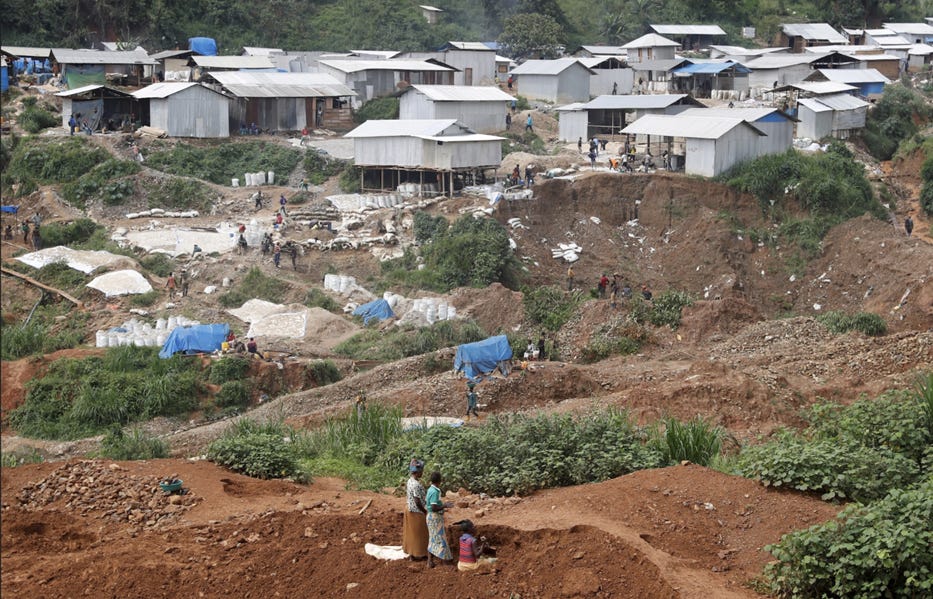

Artisanal mining tends to be strongest whenever there is a sudden spike in demand or local conditions that allow for new sites to open in areas distant from fixed infrastructure. Generally speaking, artisanal production is a makeshift system that fills the temporal or spatial gap prior to the implantation of more formal labor regimes and mechanized production systems. Often, it drives the formal subsumption of a territory, marking the point at which a given biogeological zone begins its transformation into a distinctive valuescape plugged directly into global production networks in a positive functional role, rather than a purely negative one (i.e. as “wasteland” or a “wilderness” that can’t easily be routed in the normal circuits of green colonialism via the tourist industry and global conservationist apparatus). Thus, artisanal mining ventures play a key role – alongside commercial agriculture – in converting pre-existing communal forms of land tenure (or degraded, non-existent, post-socialist, etc. forms of tenure) into a coherent cadastral space, thereby providing the basic social form of geographic organization that scaffolds the property system.
Over time, however, this formal subsumption gives way to real subsumption. Makeshift mining settlements in the hills become administratively-recognized mining towns that show up on the map and the tax registry; artisanal plots are logged and licensed; small ventures combine into larger ones; the biggest enter into international partnerships to bring in global-standard equipment; the state’s industrial planning architecture grows both more dense and extensive, anchored by mineral rents. Artisanal mining of cobalt in the DRC, for example, has dramatically declined over the years, sitting at less than 2% by 2024. This decline has, in part, been enabled by the massive expansion of industrial-scale extraction (almost always as a byproduct of copper mining) by firms like CMOC Group, a Chinese conglomerate that owns and operates the Tenke Fungurume and Kisanfu mines, or Glencore, a Swiss conglomerate that owns and operates the Mutanda and Kamoto mines. New entrants have also sought to secure access, as in a joint deal between American firm Virtus Minerals and Indian firm Lloyd Metals to acquire the UAE-based DRC mining firm Chemaf and its Etoile and Mutoshi mines. In a classic compradorial relationship, these major multinationals are given lucrative access in exchange for mandatory profit-sharing partnerships with Congolese mining conglomerate Gécamines, of which the DRC government is the leading shareholder.
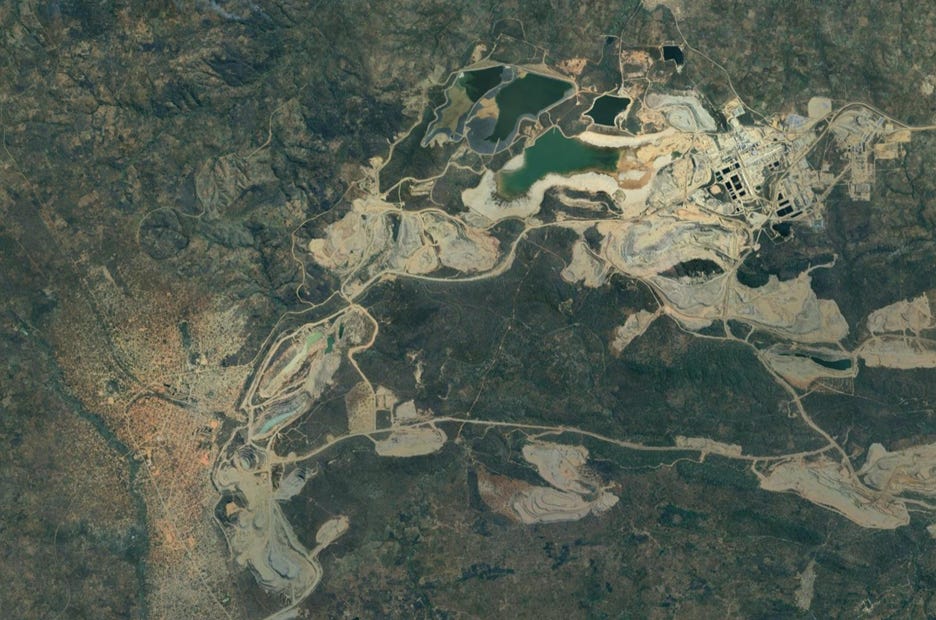
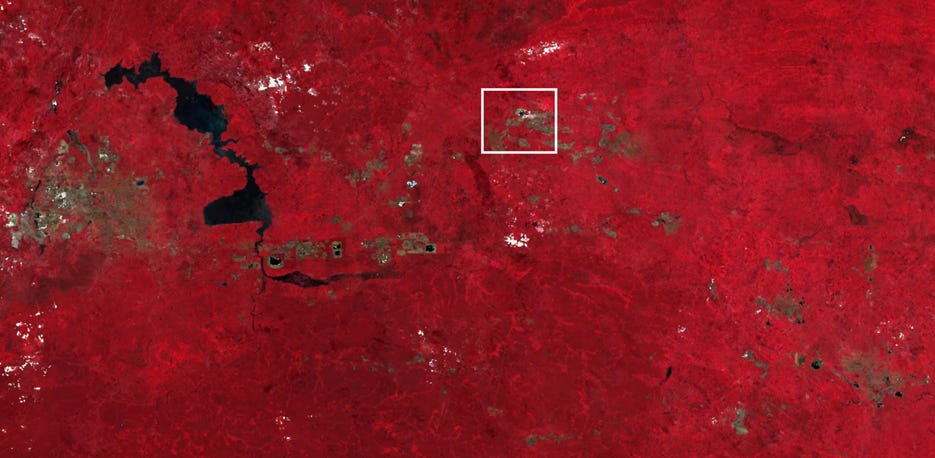
But artisanal mining is also subsumed in a slower fashion, through steady privatization, gradual mechanization, and state-led formalization via various licensing, credit, and registration systems. In the DRC, this process has been led by the Enterprise Generale du Cobalt SA (EGC), a state institution created in 2019 to manage the state monopoly over cobalt and coltan across artisanal mining operations. Though ostensibly intended to regulate working standards, the EGC is in large part designed to formally license and tax artisanal operators while also engaging in media campaigns to improve the sector’s international image. But the EGC is not unique to the DRC. Instead, it’s part of a wide-ranging effort by governments across the region to simultaneously rebrand the artisanal miner as an entrepreneur and effectively channel the previously untapped flows of value pulsing through the largely informal sector via various schemes of licensing and taxation. Moreover, these efforts are intended to avoid precisely the situation witnessed in Sudan, where the informal nature of the sector has allowed for massive outflows of gold mined by artisanal producers. In the DRC, it’s part of an effort to roll back similar structures of plunder that have long seen international capital drawing out mineral rents from artisanal mining via informal supply chains running through Rwanda and Uganda.
The more conventional form of artisanal mining can be seen elsewhere. In neighboring Tanzania, for instance, the artisanal and small-scale mining (ASM) sector remains large, of which gold is the most important sector. According to one study from 2023, it was “estimated that more than one million people are directly involved in artisanal and small-scale gold mining (ASGM), which is a subset of the artisanal and small-scale mining (ASM).” Only a few years prior, in 2018, other sources claimed that there were a total of 1.5 million people involved in the total ASGM sector. Since the 1990s, the sector has been subject to increasing degrees of government regulation and licensing. But these licenses then created a tiered structure of land rents in which those with the Primary Mining License for the land (often not the miners themselves) stand at a key bottleneck in the process.
Above them is the government, which not only charges for the licenses and taxes production at various points in the processing chain but also exerts control by reserving the Bank of Tanzania’s right of preemption (right to first purchase) for gold. Similarly, for Tanzanite, the government operates clearing markets (via the Bank of Tanzania and the Tanzanite Exchange Center), state-led auctions, and oversees the actual production sites directly – even building walls around the major tanzanite dig fields to help stem illegal mining. All these measures are intended to give stability to the otherwise volatile sector, minimize traders’ ability to scam miners, bolster reserves and preempt the sort of exports seen in places like Sudan. The license holders must therefore build up relationships with relevant government agencies at both the local and sectoral levels, privileging those with preexisting connections but also rendering these relationships more transparent than in the past by encoding them into clear and non-overlapping claims on mineral rights linked to a single license holder and filtered through the requisite regulatory agencies.
Below the license holders lie the miners. In some cases, smallholders will mine their own plots with family members, perhaps alongside a few hired workers. But more often than not, production is happening via a systematic division of labor that places the license holder at some distance from the day-to-day work. According to one overview:
The mine site resembles a feudal economy. The License holders collect ~30% of the ore produced. Pit Managers, charged with coordinating labor around a single shaft, receive ~30% of production. The miners divide the remaining material among themselves.
Despite recent policy reform and widespread efforts to formalize the sector, many ASGM sites still operate without regard for regulation. Often referred to as “Clandestine Artisanal Miners,” many of those working in the industry live nomadic lives, moving from gold rush to gold rush in search of unexploited reserves.
This division of labor is necessary to manage a relatively complex production process with distinct technical changes marked by gendered divisions of labor. Excavation in narrow tunnels along veins dug with hand tools (usually by men) is only the starting point. Though ASM production relies on veins with relatively higher concentrations of gold (usually between 50 and 20 grams per ton to be profitable, vs. the 1.5 grams per ton that large mines can utilize), miners are rarely digging up nuggets of gold or even visible flakes that can be sorted by hand. Instead, the gold-rich rock must be crushed into a fine powder, first by hand (this is usually the work of women in the mines) and then in ball mill tumblers. Gravity sluices then separate the powdered ore from extra rock and dust, producing a “concentrate.” Often, these sluices are hand built wooden frames with rugs placed on top of them, though today many operations will use more complex metal and polymer sluices. Gold not captured by the sluice method needs to be taken elsewhere to be extracted through more expensive cyanide-in-pulp processing methods. After sluicing, the bulk of the gold concentrate is then mixed with liquid mercury to form “uncooked gold.” In order to increase the ratio of gold to mercury, the uncooked gold is then placed on a coal fire to burn off excess mercury (usually the work of women), releasing extremely toxic fumes that easily cause mercury poisoning. Often, miners will take the gold to market at this point, where local brokers purchase it, then use borax and oxyacetylene torches to burn out the remaining mercury.
Since this description is somewhat abstract, let’s examine at what some portions of this processing chain look like on the ground. Just coincidentally, one of the interviewees in Hellworld who I’ve kept in contact with returned to the countryside between Shinyaga and Mwanza after inheriting a mining plot from his father. For years, he had difficulties getting the licensing in order and purchasing the necessary equipment. Recently, however, the venture seems to have taken off, as he’s now able to process lower-concentration rock at a cyanide-in-pulp processing plant somewhere nearby. Throughout, he’s sent me pictures of different parts of the process. Usually these are sent without much explanation of what they are showing. But, with his permission, I’ll reprint several photos and videos here, with some speculation on exactly what portion of the production process is being illustrated in each.
First, a map of the “greenstone belts” near Mwanza. The same belts are host to one of the largest gold mines in the country, in Geita (operated by South African firm AngloGold Ashanti), marked out on the map:
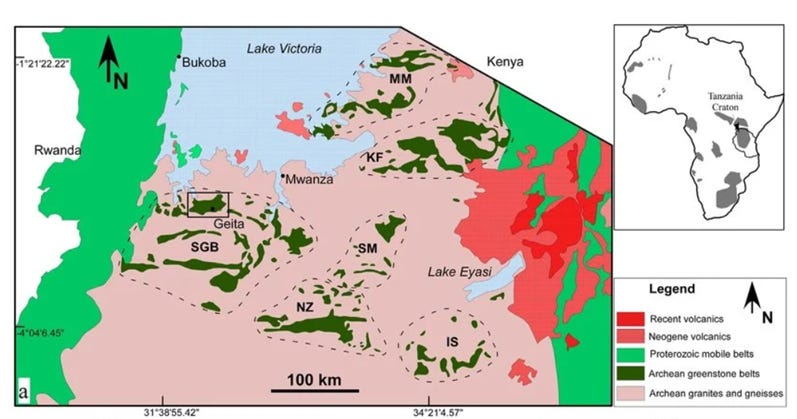
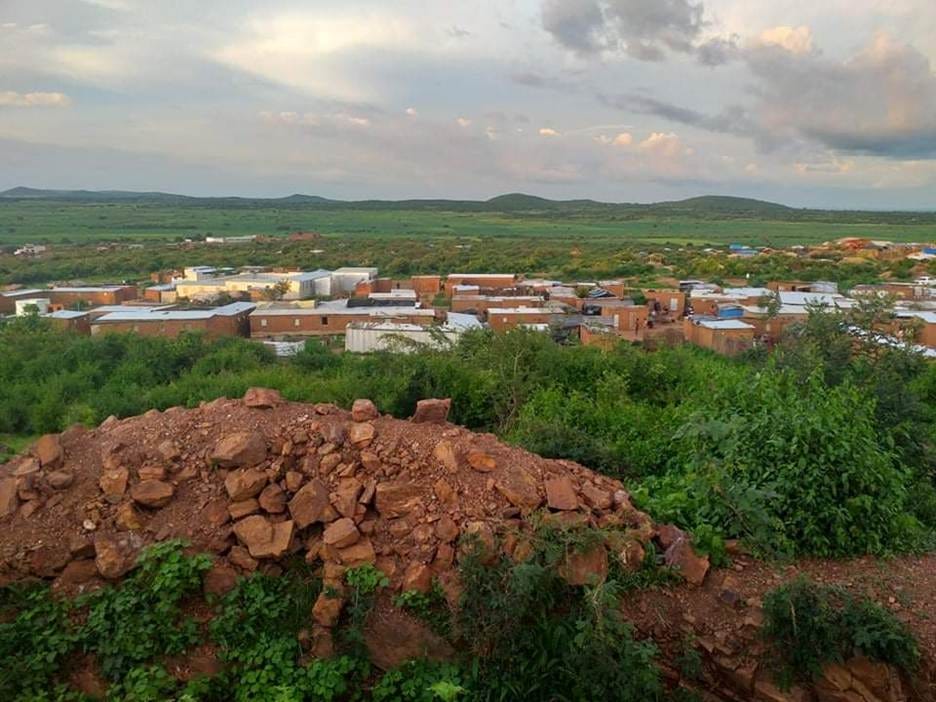
But this site below is not a major mine. Instead, it is a minor plot located in a small village. Here is a landscape shot of the area, with some tailings in the foreground:
The mine itself is dug in the traditional fashion. Here is a video of the actual excavation along a narrow vein. In this case, we’re seeing the open pit portion:
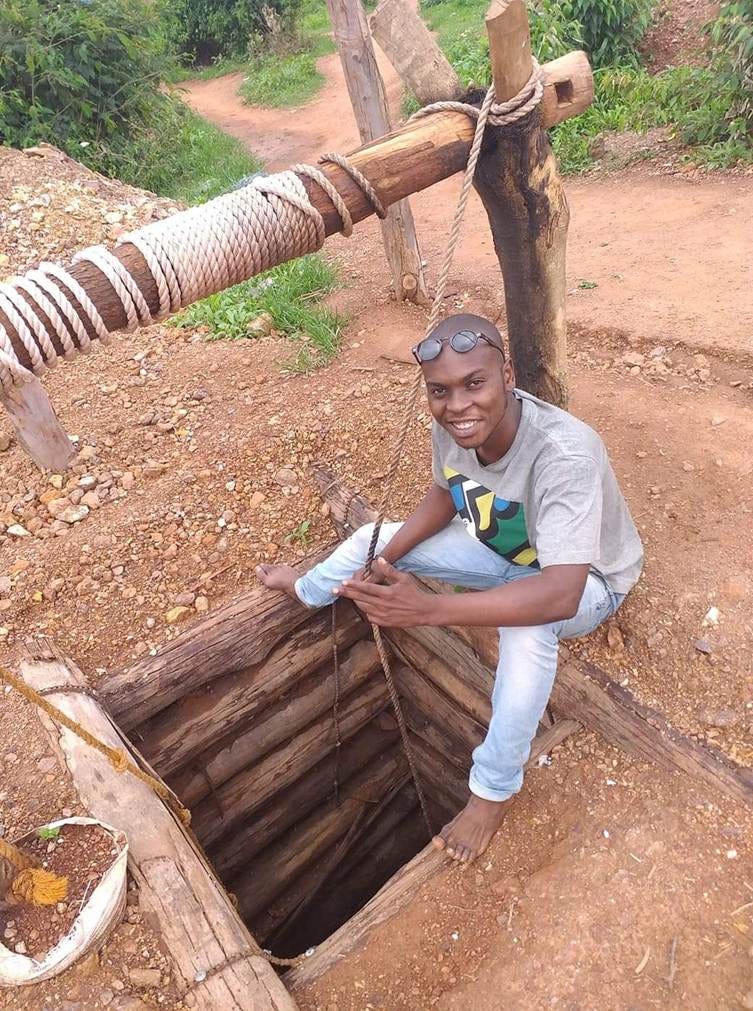
And here is the entryway into one of the tunnel sections already dug:
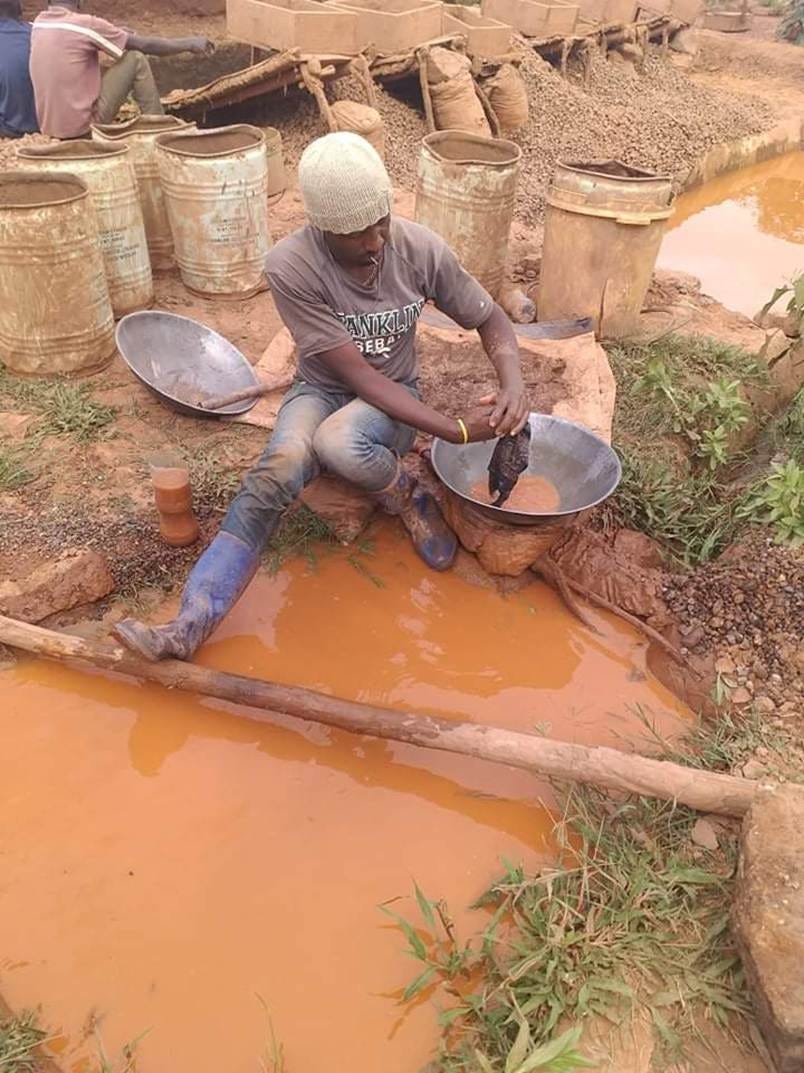
The crushing, gravity filtration, and panning is then performed on site. In this image, we can see crushed material being gravity sluiced in hand-built frames in the background and, in the foreground, we then see the concentrate resulting from that process (laid out on a cloth or tarp behind the man in the foreground) being panned by hand:
There are no more photos of the core processing step for the higher-concentration ore and, until recently, the mine didn’t have enough money to send lower-concentration ore out for further processing. This year, however, I was sent a series of photos and videos illustrating the cyanide-in-pulp processing portion, which occurs at a special processing facility. In particular, this facility appears to operate a carbon-in-leach (CIL) variant of the cyanidation-in-pulp process in which the ore is mixed into a slurry with a cyanide solution (below including some lye, though often lime is used), and activated carbon in the same tank. The cyanide dissolves the gold out of the ore while the carbon adsorbs the dissolved gold-cyanide. All the details of the process pictured below are not entirely clear to me, though I offer some educated guesses as to likely possibilities. It will be helpful, at least at first, to review how a CIL process operates in industrial setups.
At a more formal, heavily mechanized facility, the slurry is pumped through a chained series of mechanically agitated tanks. In this tank train, the ore is mixed with cyanide and caustic flakes in the first tank, and then moves through the subsequent tanks, remaining in each subsequent tank for progressively longer periods of time to allow for more systematic leaching. The carbon mixture moves in the opposite direction, with fresh carbon added to the last tank and then pumped backwards to the preceding tanks. After adsorption, the loaded carbon slurry is usually pumped through some sort of filter that separates liquids from solids. In larger industrial facilities, there are specialized filters that will separate the gold-rich loaded carbon slurry from the barren tailings and cyanide solution in the transition between tanks. In that sort of setup, a filter press may also be used to separate out the filtered cyanide solution (for reuse) from the filter cake of baren tailings.
The loaded carbon is then sent to a pressurized tank where it is “stripped” in a heated caustic solution, often in a pressurized tank. In the stripping process, the gold is desorbed from the carbon. Once separated, the carbon solids are removed and the gold is plated or precipitated from the caustic solution, usually using an elecrowinning cell or zinc precipitation method. Thus solidified, the resulting metal can be further separated from any remnant impurities through smelting. Smelting involves the application of heat and a flux such as borax, which helps to lower the melting point of impurities and shield the non-gold metal content from oxidation. The result is a semi-pure alloy of gold and silver called a doré bead or button. Though industrial facilities would normally refine the material further, artisanal mines will almost always produce doré beads as their finished product that will then be sold on the market.
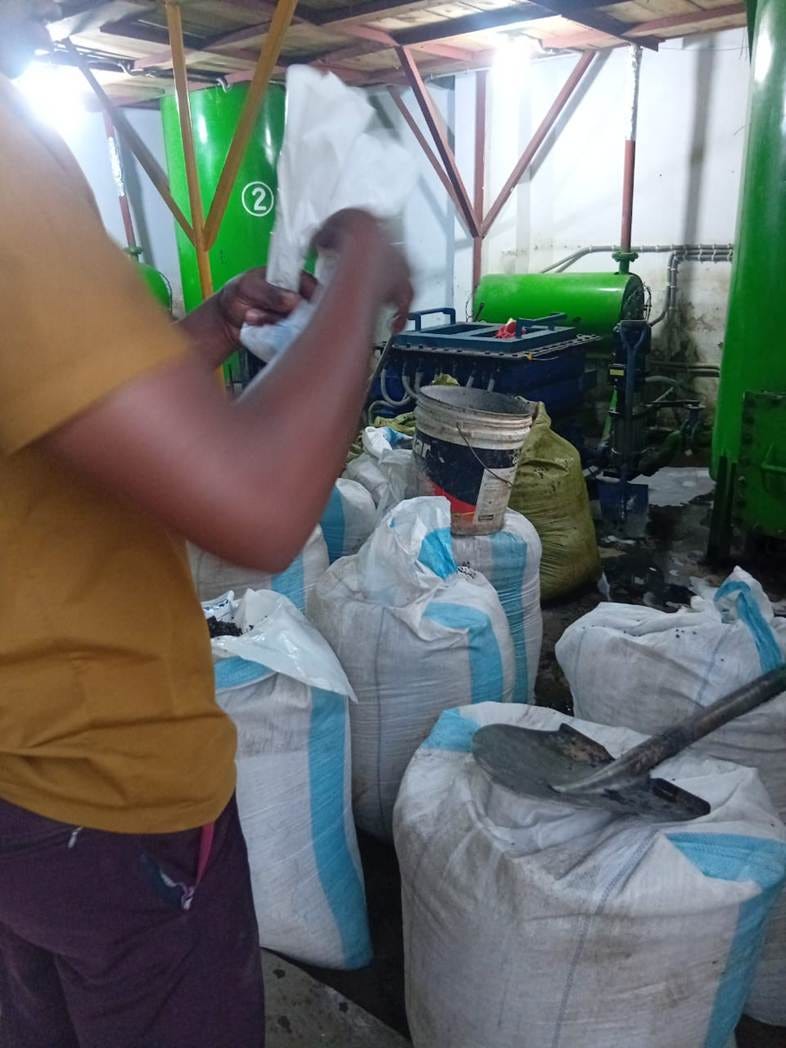
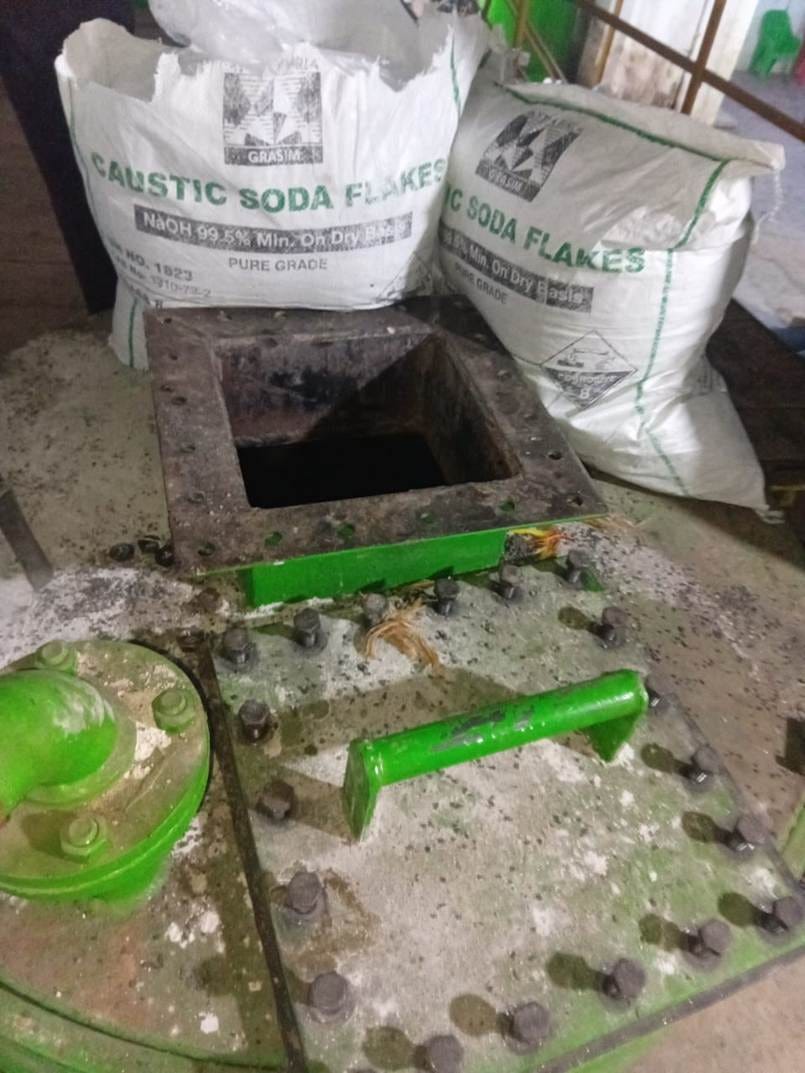
In the process below, however, there are a number of clear differences. On the one hand, everything appears to be taking place via some sort of batch processing method, with no chained tanks and no counterflow. It appears that the carbon and caustic flakes are poured together into a single tank with the ore. The process operates through a series of stations, each of which has a numbered vertical tank, with a pump and pipe attaching it to what appears to be an electrowinning cell, which is also connected to a horizontal tank with a pressure release pipe. You can see the basic layout in the background of the first photo, the foreground of which is filled with bags of activated charcoal:
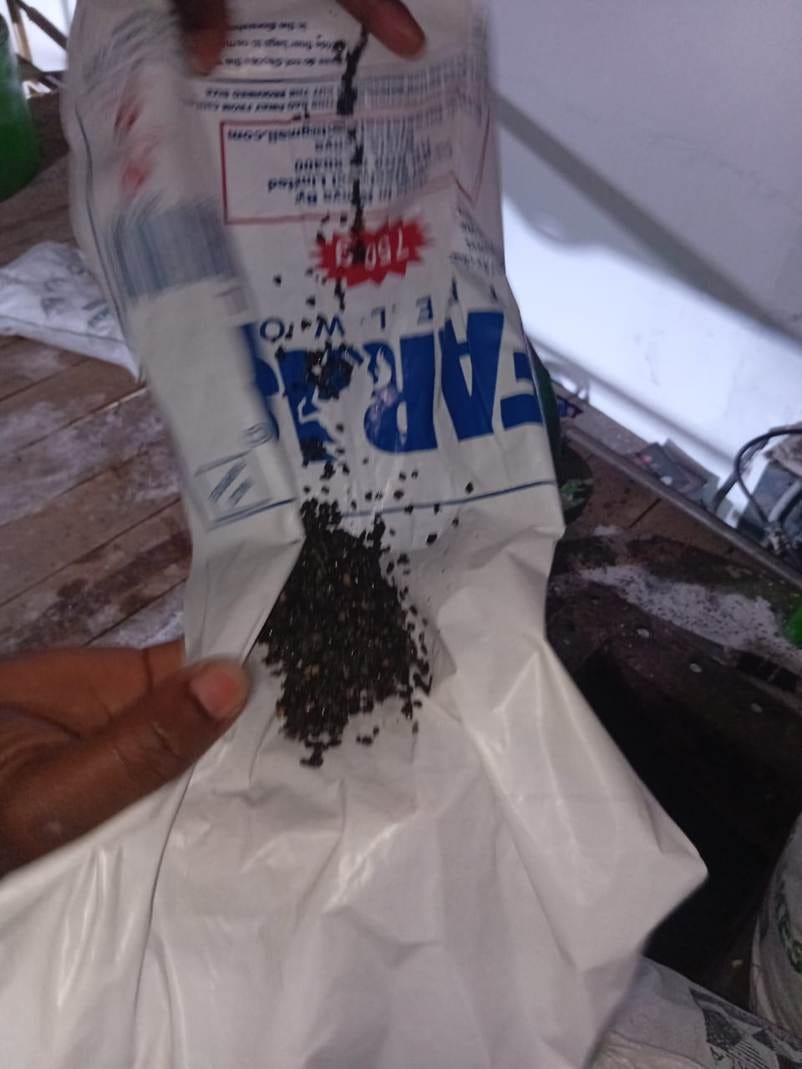
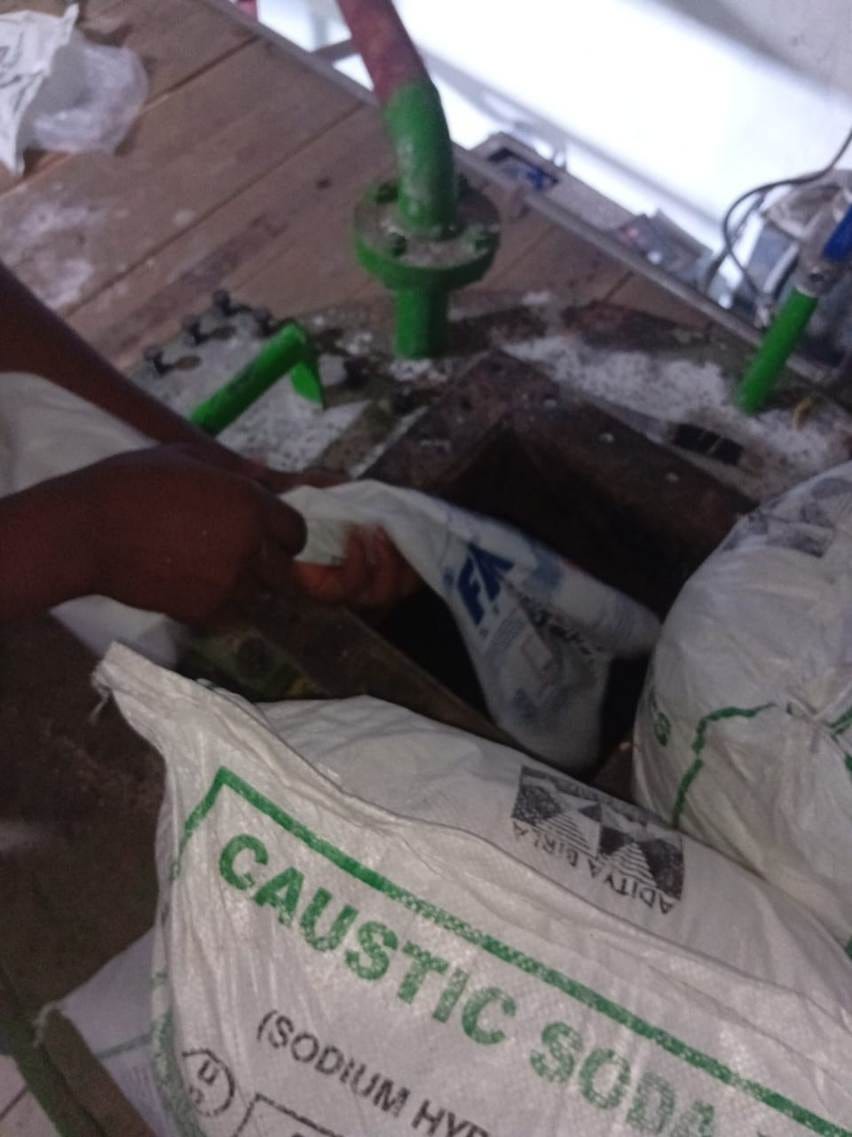
Here is one of the vertical tanks viewed from above, with the caustic flakes and, below, a picture of the activated charcoal, first as a closeup, and then being added to the tank:
And here is a closer view of the cube-like machine in the center, which appears to be an electrowinning cell:
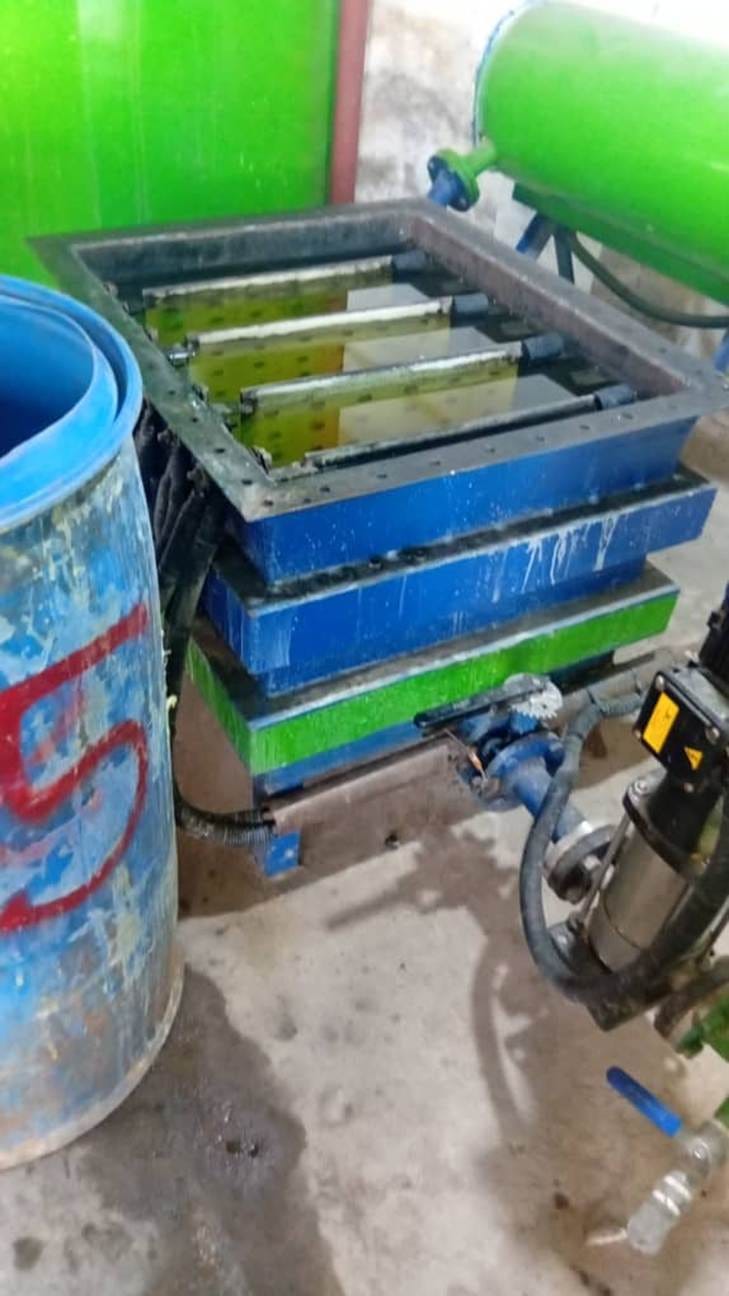
Since this electrowinning cell is plugged straight into the vertical tank with the carbon and caustic solution, it can’t be the method used for plating the gold. Instead, it may be an initial electrowinning process that cleans iron and copper out of the solution, as these are common metallic impurities in Tanzania’s northwestern greenstone belts. Here are a few further videos of what I’m assuming is an electrowinning cell, which is then cleaned off manually and the waste liquid transferred to a bucket, which is simply poured out:
That said, it’s difficult to see exactly how the carbon is separated from the liquids, though gravity separation in these buckets appears to play some role:
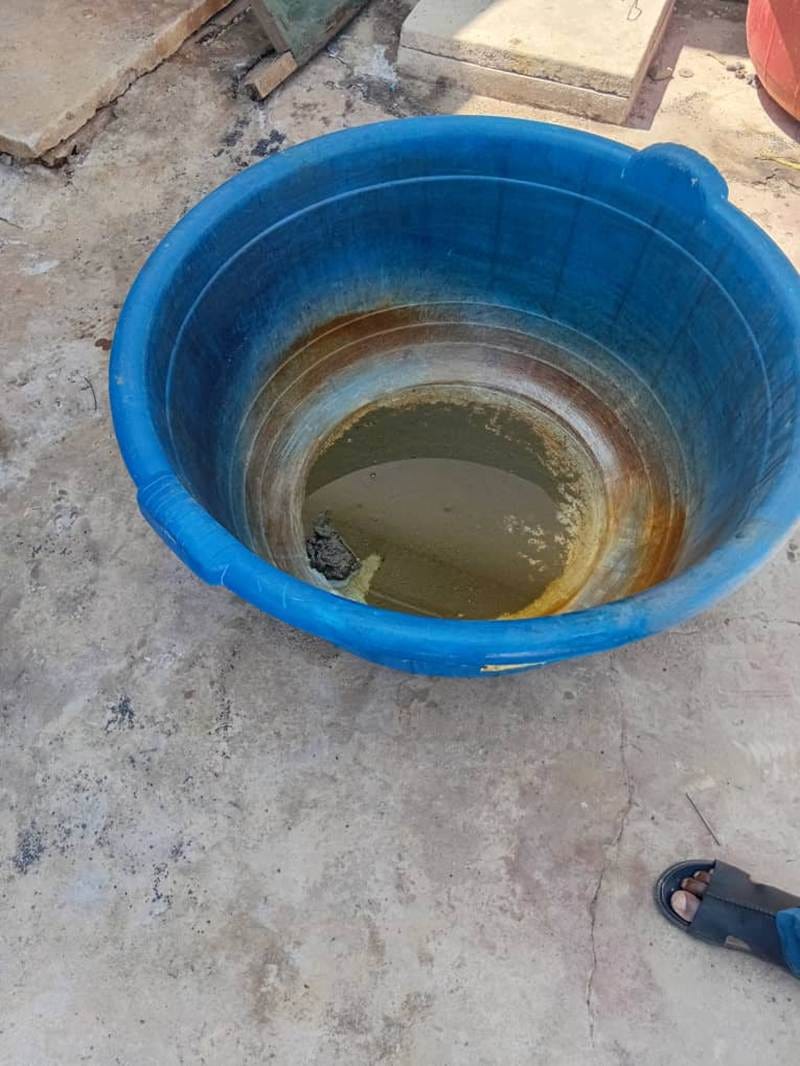
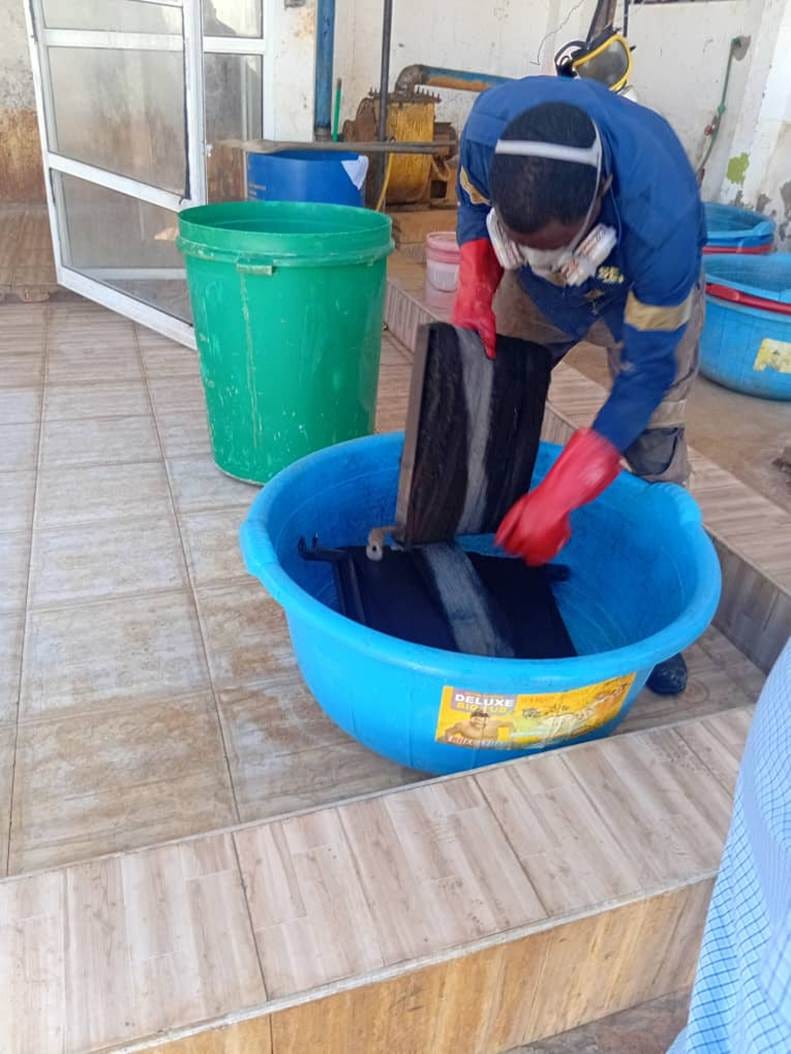
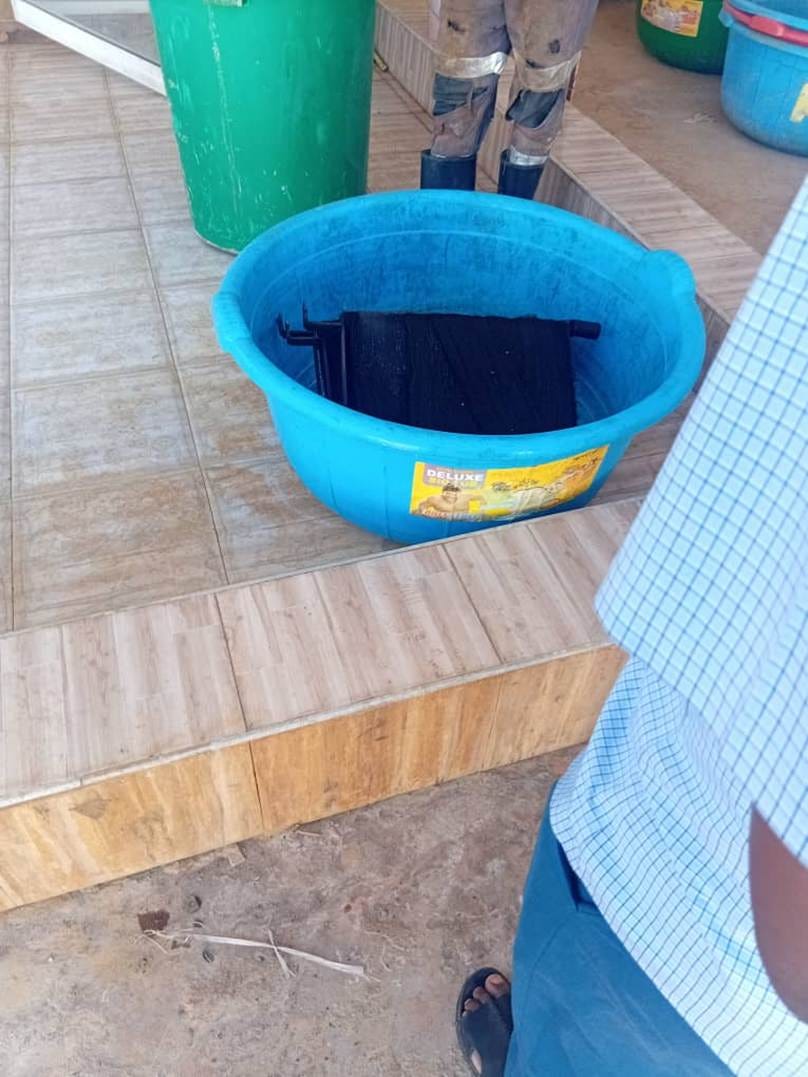
Throughout, safety equipment is present but its use is inconsistent and, throughout several videos, you can hear people coughing in the background. These are extremely toxic chemicals, many of which are simply being poured out or splashed on clothing or skin. Many appear to be stored next to one another in a potentially risky fashion. Similarly, electrical equipment is often sited adjacent to large, pressurized tanks of caustic chemicals. Many parts of the process are not entirely clear from these photos. For example, there also appears to be an additional electrowinning step to plate the gold itself, which is not visualized but presumably uses these cells wrapped in steel wool:
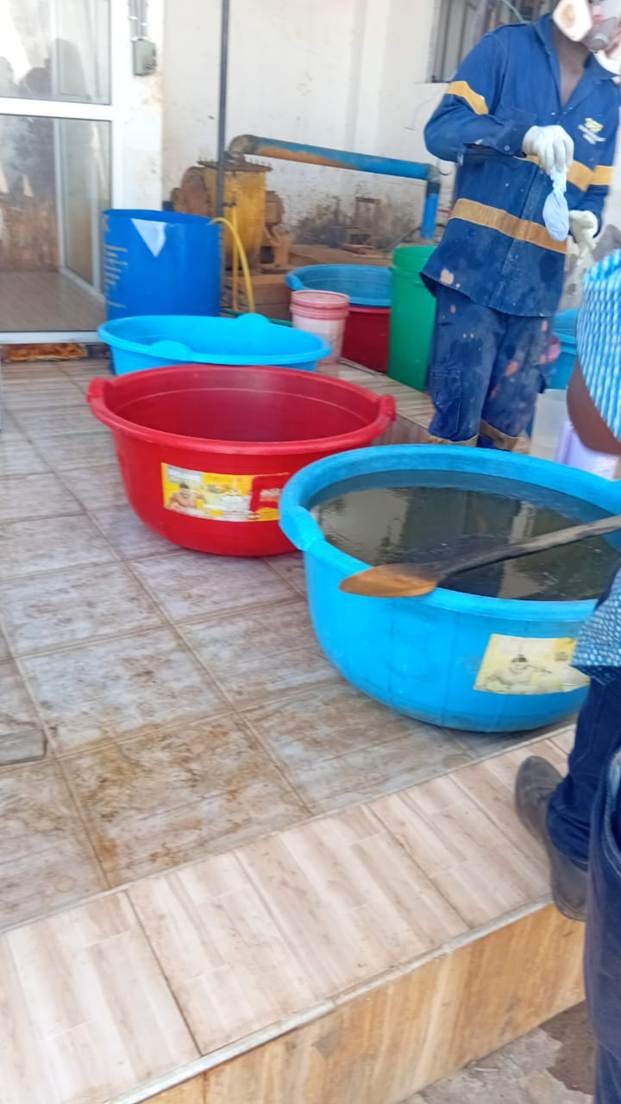
There’s also a dedicated room for processing heated liquids, in what looks like a manual stripping or acid-wash of some sort, visible in this video:
It’s after that processing that the final solids are prepared for smelting:
The smelting process itself is straightforward. In the following video, we can see the solids placed in a crucible, borax being added, and an acetylene torch being applied:
The slag of impurities in partially poured off the metal while in a liquid form but the remainder must be chipped off manually:
And this produces the resulting doré bead:
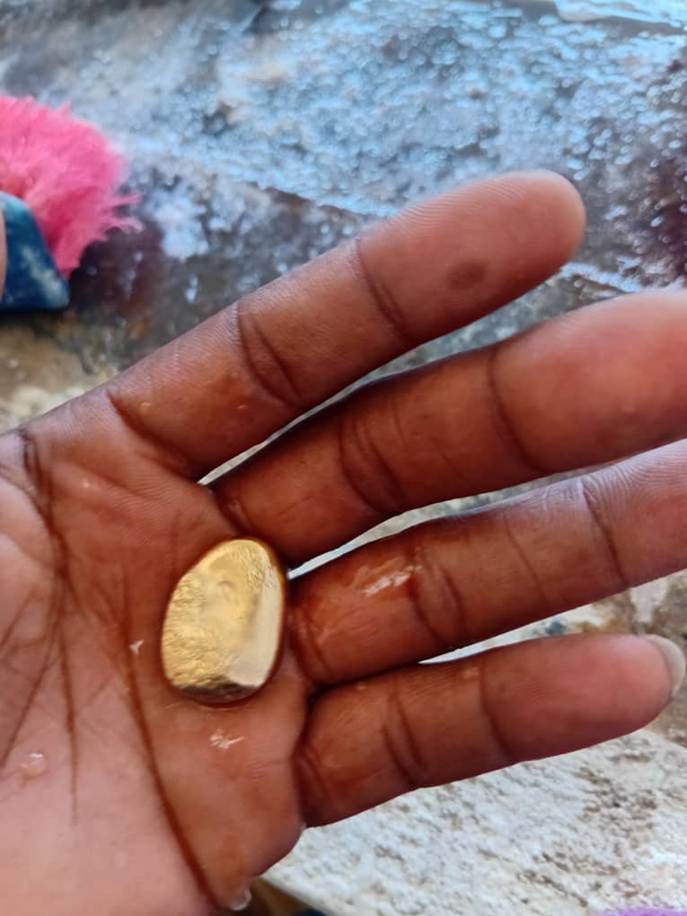
That is the product that will then be taken to the market, perhaps to be sold to state-backed purchasers at a set price, added to the state reserve (held in physical vaults controlled by the BoT, located both in-country and overseas) and thereby into global financial circuits, or else fed as raw material into planetary value chains. In a way, this seems to be a literal condensation of labor, land, and the social relations that structure each into a crystal of pure value, one aliquot part of the total social capital that appears to us in the shape of a dark god carving the planet in its own image, one plot at a time.
Absolutely amazing amount of labour for such a tiny nugget of commodity. From reading your book I'm really starting to get a feel for how much worldwide production is so unsophisticated and brutal.
Yet the example of Foxconn shows that the more corporate side of exploitation though much cleaner is scarcely more humane
Great article. Bit of an unrelated question, but is there a reason you are not on twitter unlike a lot of communist writers? Do you think the negatives of the platform outweigh the positives?