
Crumbling Castles
Soundtrack to Hellworld #8

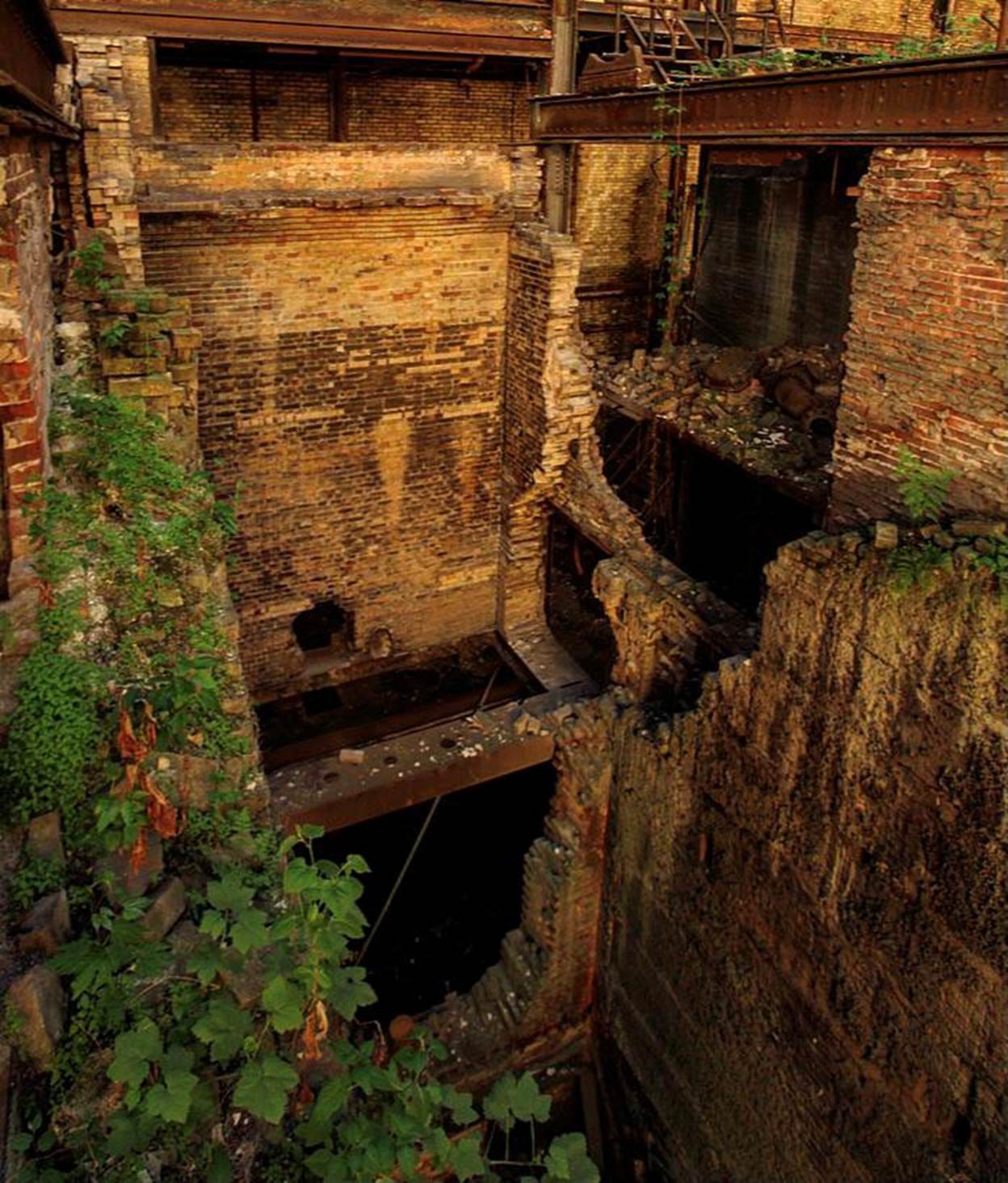
Below is the eight entry in the “Sountrack to Hellworld” series, covering Chapter 8 of the book. Chapter 8, “The Great God Development,” is the single longest chapter in the book and, in many ways, functions as a book in and of itself. Given the breadth of the chapter, choosing a theme for the soundtrack proved difficult. The story of sequential waves of development and building state capacity that it covers is inherently global and therefore not easily captured by any regional musical trend, as in earlier entries. Similarly, both the empirical case studies and theoretical topics touched on in the chapter are too wide-ranging to capture any single tone. Nonetheless, the introduction and conclusion to the chapter frame the topic of development within the present political moment, portraying an America in which increasingly bloody rituals to summon back the “Great God Development” from its Eastward arc only result in worsening the underlying problems of deindustrialization, as data centers replace farmland and desert on sites that were once rumored to host forthcoming factories that never materialized. The data center serves as a metaphor for the more general trend of deskilling, as the dead labor of fixed capital replaces living work:
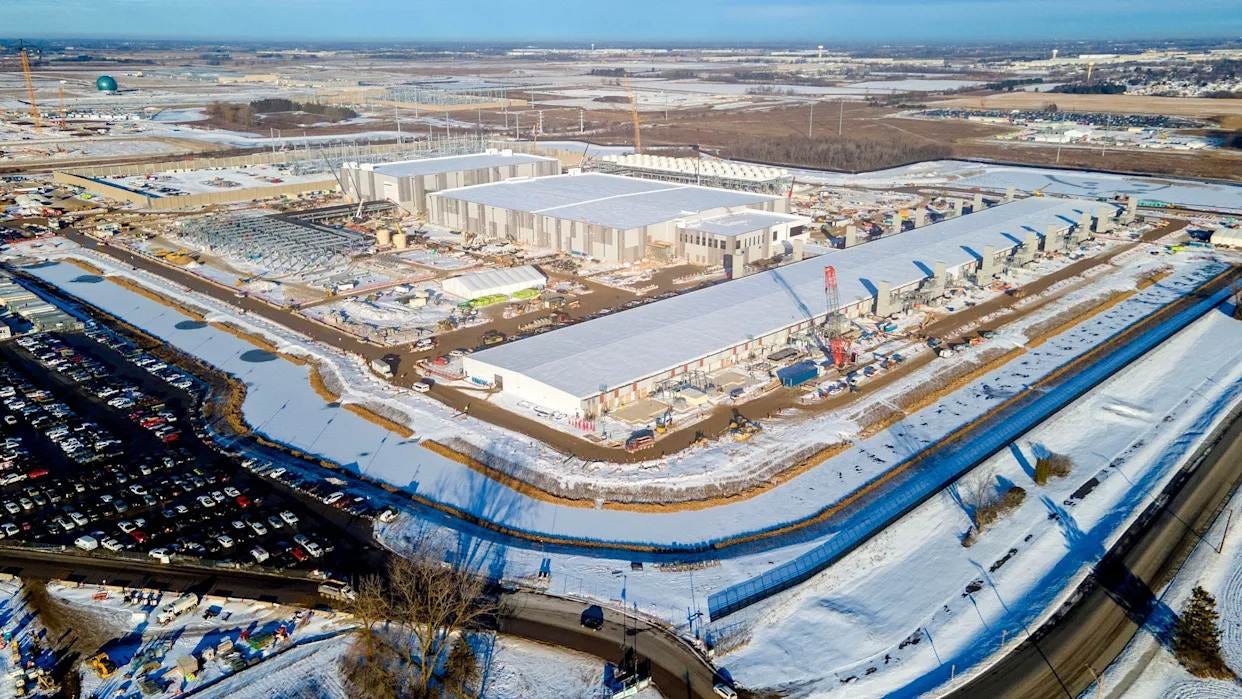
Rather than engines of re-industrialization, data centers are essentially postindustrial artifacts: squat, windowless cubes siphoning water and electricity from the surrounding area, fenced off from public access, their labyrinthine interiors lit only by the sparse passage of technicians moving through the endless depth of rack rows like censer-swinging priests blessing some scriptorium. The darkness is otherwise populated only by the servers, each itself a similarly featureless cube.
Such spaces are perhaps something close to the Platonic ideal of fixed capital, a mute obelisk of dead labor woven in on itself in dense layers, needing only the thinnest drip of work to be set in motion siphoning profit from a landscape emptied of laborers, emptied of crops, emptied even of humming insects. In the end, the old evil is drawn up from beneath the bloody plains and shaped into an arcane monument, inscrutable to anyone passing by in that wasteland looking for work. After the golden shovel has made the cut, the men stood for the cameras and then shrugged and walked away, leaving five small holes in the dirt.[1]
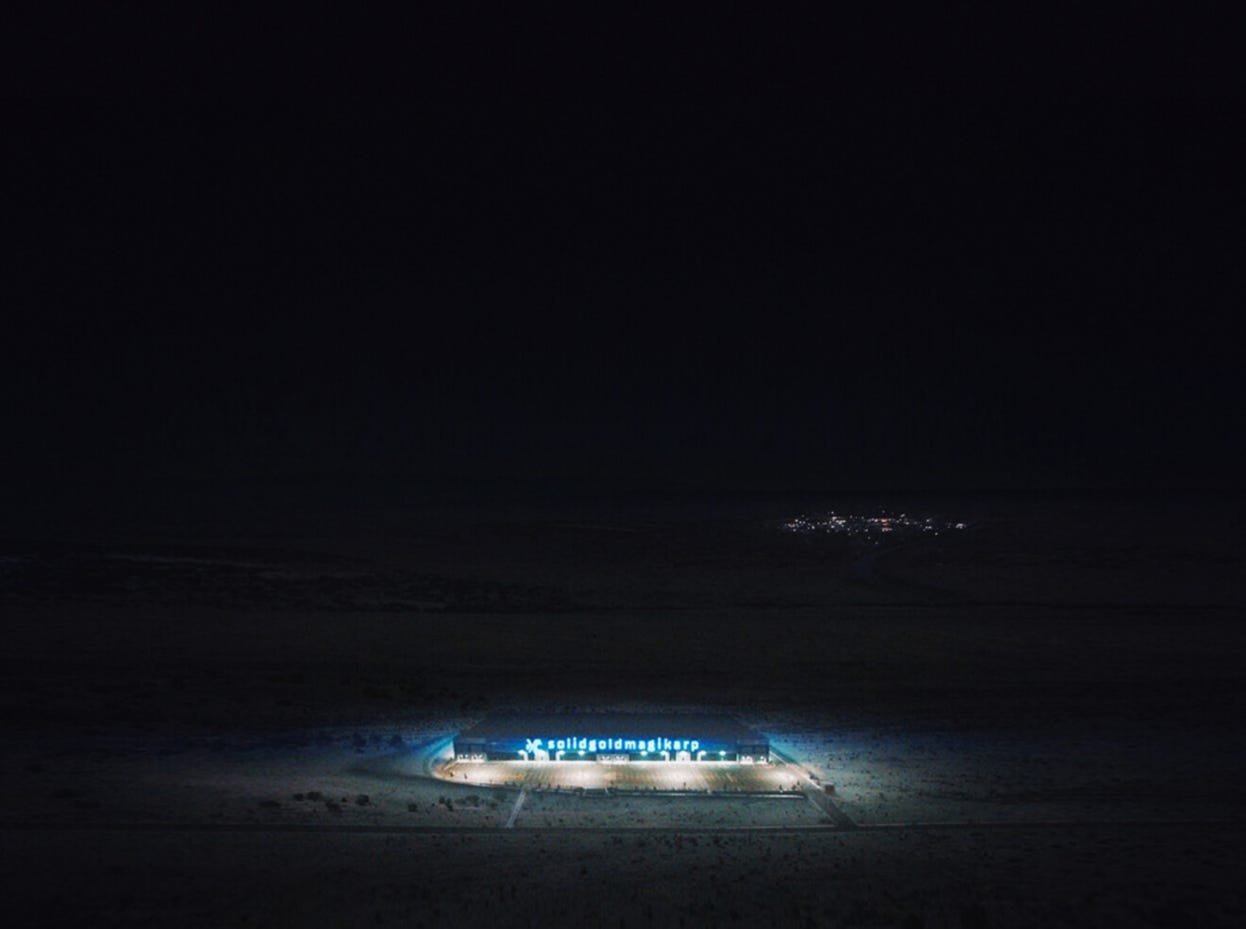
The closing image of the data center in Ari Aster’s Eddington captures the same basic feeling:
At the same time, the chapter traces how developmental dynamics create both bursts of nationalism attending the original state building project and, later, increasingly revanchist forms of nationalist nostalgia as these developmental booms decay into the “lost decades” of deindustrialization. The fever dreams of late fascism therefore play out on the very digital substrate formed by the dark and silent work of those data centers: saccharine AI-generated Normal Rockwell slop, neofolk hymns to a mythic European identity, an endless iteration of grain-caressing cottagecore fantasies streaming through the feed cast forward endlessly by a pale thumb shivering with an endless thirst for serotonin. The question is how to balance these opposing but intertwined themes: the steady advance of fixed capital and the subsequent revival of a mystified, medieval tradition that never existed. The answer, I think, is a playlist that alternates between ambient electronics, both synthetic and authentic forms of “ethnographic” folk music, and dungeon synth.
Of particular note in the playlist below are recordings of the Nuosu mouth-harpist Eryi Ribu, released on Chinese-French label WV Sorcerer Productions. Here’s another mouth harpist, Emu Quyi, playing on video:
The album WV Sorcerer, from which several tracks below are drawn, is better known for its catalogue of experimental psychedelic music, particularly from Taiwan. See, for example, this noise-psych collab between Taipei bands Dope Purple and Berserk:
Other highlights from the label include the experimental electronic album “A Cast of Memories” by French group Second Spectre:
As well a noise album “魂靈獨居者 Soul Solitary” by Li Jianhong (李劍鴻), earlier featured on the experimental music playlist for Chapter 4:
But WV Sorcerer is probably best known for its collection of albums by Taipei’s psychedelic masters, Mong Tong:
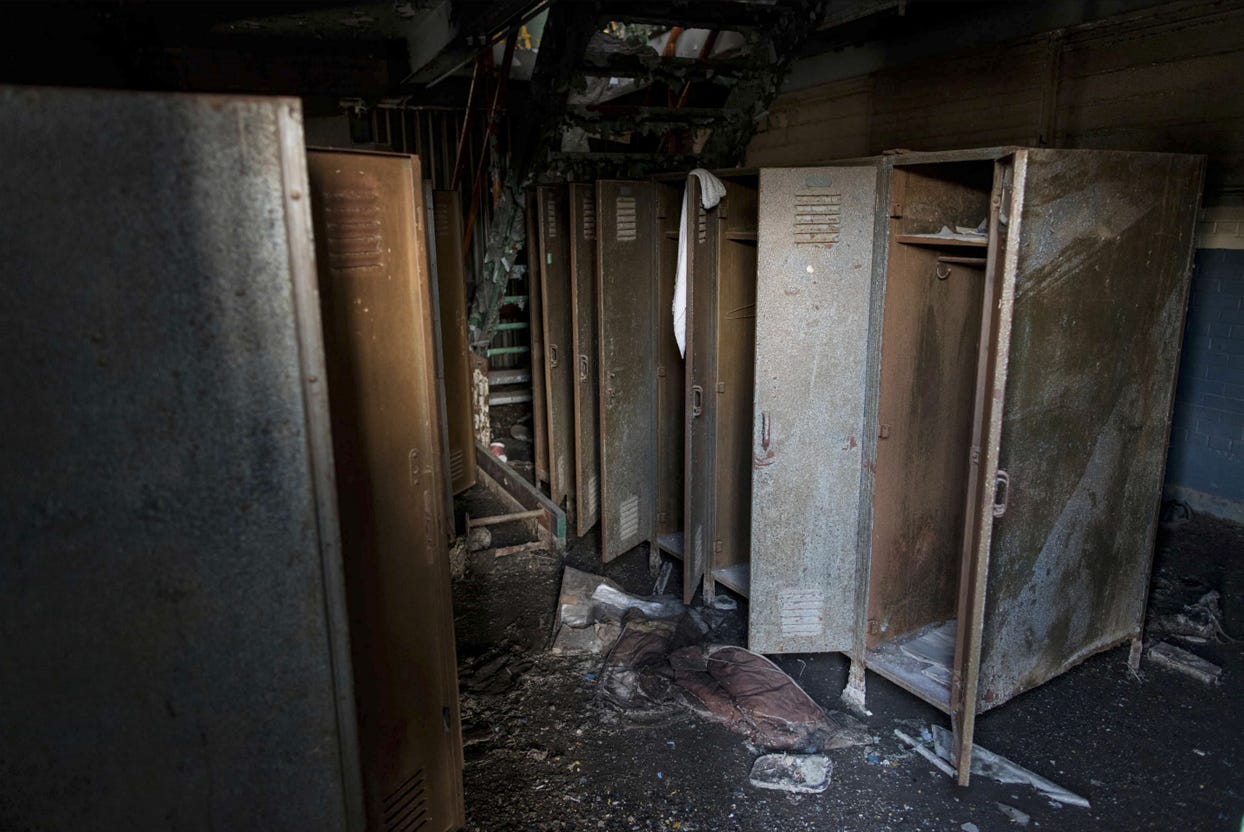
Several tracks by Mong Tong and other WV Sorcerer artists are included on the playlist below, alongside work by fellow-travelers such as Howie Lee. But by far the most dominant portion of the long playlist below is its section of dungeon synth, with tracks by Mountain Realm, Quest Master, and, of course, DIM, all alongside more traditional (neo)folk by groups such as Raflum, Mamer, and Tabernis. As a pseudo-traditionalist form of electronic music steeped in saccharine, post-ironic romanticism for both imagined fantasy worlds and the lost end-of-history era in which these fantasies could be enjoyed in their pure form, dungeon synth is probably the music that best captures the deindustrial condition and its ensuing social anomie. Though proximate to both neofolk and black metal, dungeon synth is, at root, videogame music. The feelings invoked are familiar to many within my own generation and, in particular, those raised in the hinterlands and rust belts where, as a child, you might wander through abandoned factories or hike to ghost towns in the mountains, and then return in the cold hours to the warm nook of the house where the off-gray Dell desktop computer was enshrined in its purpose-built desk – the living sound of the fans heaving in metal hot as muscle and the modem gurgling like a mountain stream – cracking open the clamshell case to insert the disc for Diablo II or Baldur’s Gate, played late into the night.
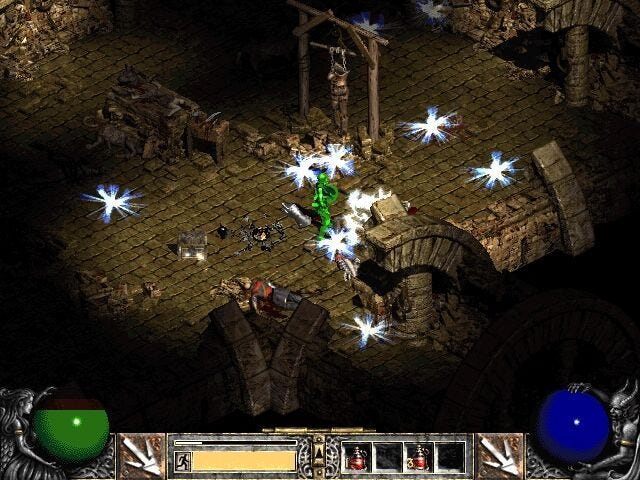
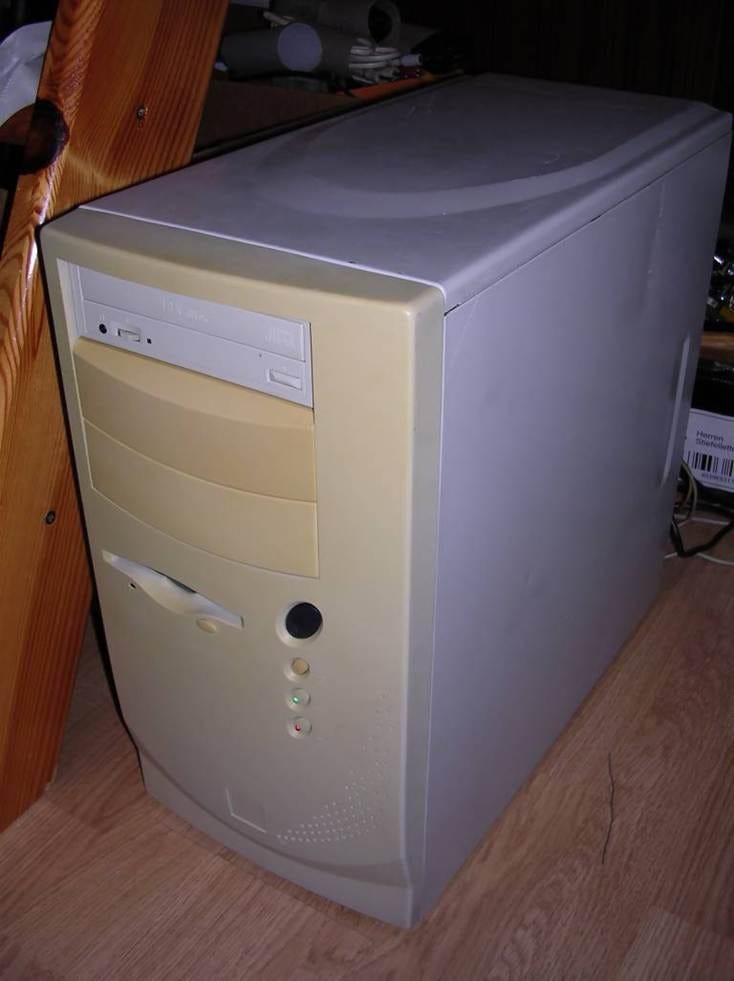
And, of course, this was a contrast enabled by the humming of AMD chip fabs and AT&T data centers in traditional sunbelts such as California and Texas, precisely at the moment that they were being packed up and shipped off to brighter, newer sunbelts in Southeast Asia. The AMD Duron processor used in budget “white box” desktops, for example, was initially produced in Austin, while the original Battlenet servers were hosted by AT&T in San Diego, Silicon Valley, and Dallas-Fort Worth (home to the “Telecom Corridor”). In 2001 and 2002, however, AMD then closed two of its fabs in Austin, consolidating production in Penang, Malaysia. Meanwhile, external hosting on classic telecom (i.e. AT&T, Sprint) or early internet (i.e. WorldCom/MCI, Equinix) data centers was increasingly displaced, on the one hand, by distributed cloud hosting via firms like Microsoft, Amazon Web Services, Google, and Oracle and, on the other, by dedicated hosting networks constructed by the gaming companies themselves (i.e. Blizzard’s BattleNet system – though Blizzard is now also a Microsoft subsidiary). The digital dungeon thereby came to span the same Silicon Valley software supply chains and Pacific Rim manufacturing networks that would soon produce social media and the smartphone.

It is therefore natural that contemporary dungeon synth emerged from the all-too-online world of the internet microgenre, mirroring similar forms of millennial melancholy found in the elevated mall music of vaporwave. Nor is it surprising that, among the major labels specializing in the genre is Cryo Crypt, an offshoot of Oregon-based Cryo Chamber, which specializes in “cinematic dark ambient,” often modelled on sci-fi and cosmic horror themes. See, for example, their series of Lovecraftian collaborative projects:
Many of the tracks included in the playlist below can be found on Cryo Crypt:
Meanwhile, Grime Stone Records specializes in the overlap between low-fi basement black metal and dungeon synth:
More retro and minimal variants can be found on Milan’s cassette label Heimat Der Katastrophe:
And artists like Quest Master (one track included below), make the overlap with vaporwave more explicit:
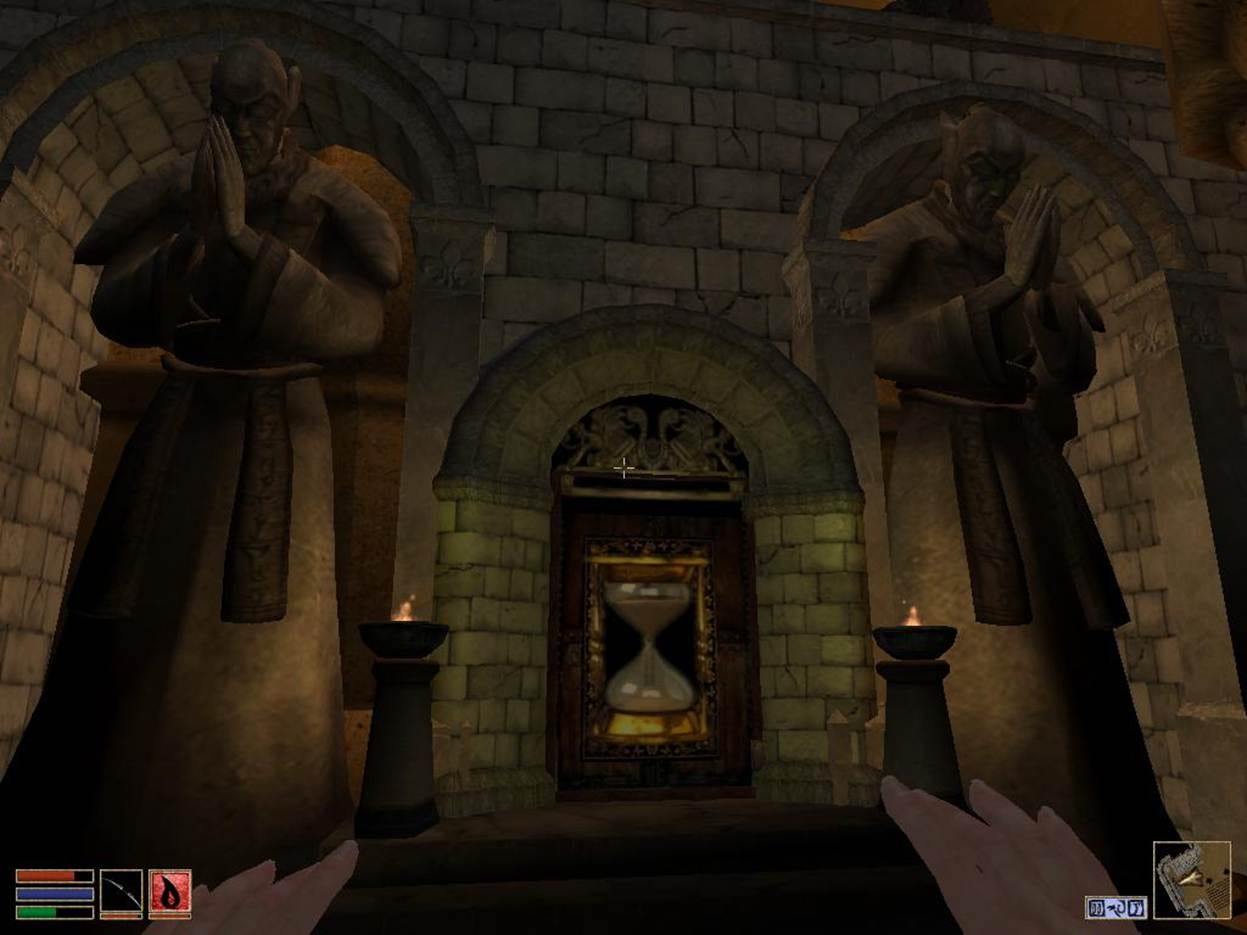
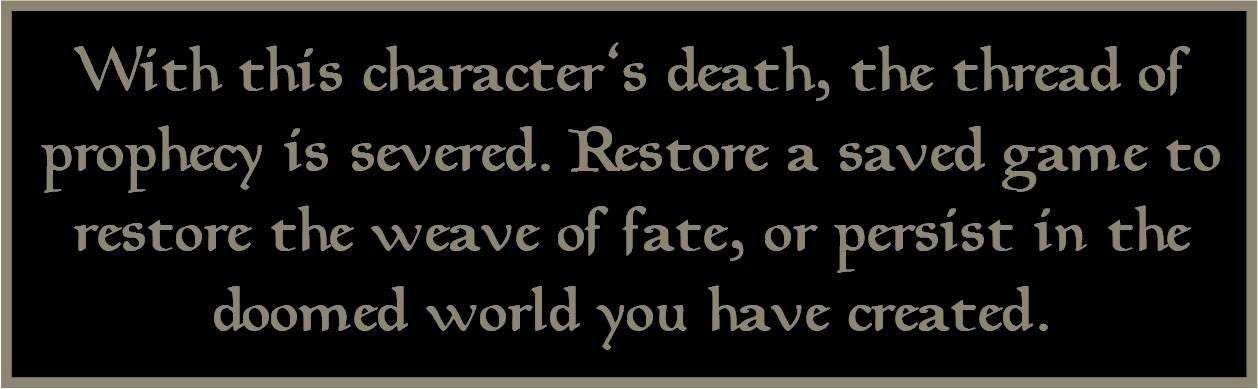
Dungeon synth is, then, not simply the electronic synthesis of quasi-medieval soundscapes but also an attempt to reproduce an aleatory moment in the millennial experience: the cresting of a particular era of the American order, which was presented as the end of history itself. One of the forms this era took was, precisely, the proliferation of neo-retro digital fantasy worlds in which the once-deviant escapism of the Dungeons & Dragons basement nerds was being gradually scaled-up into mainstream culture by nascent tech and media firms. But, like the open-source and experimental field of the early internet itself, this was also a period in which these digital fantasies had not yet succumbed to the debilitating and homogenizing pressures of the market. They therefore still retained at least some artisanal residue of basement weirdness. In other words, dungeon synth is a synthetic saudade, transporting us back to the warm nook of the house in a crumbling town where we worshiped, briefly, at the altar of new and mysterious machines said to be ushering in an endless era of peace and prosperity. In the end, the thread prophecy was severed. Peace and prosperity never came and, beneath the comforting fantasies cast up on the screen, darker gears were turning.
[1] Hellworld, p.424