
Bury Me
Soundtrack to Hellworld #1

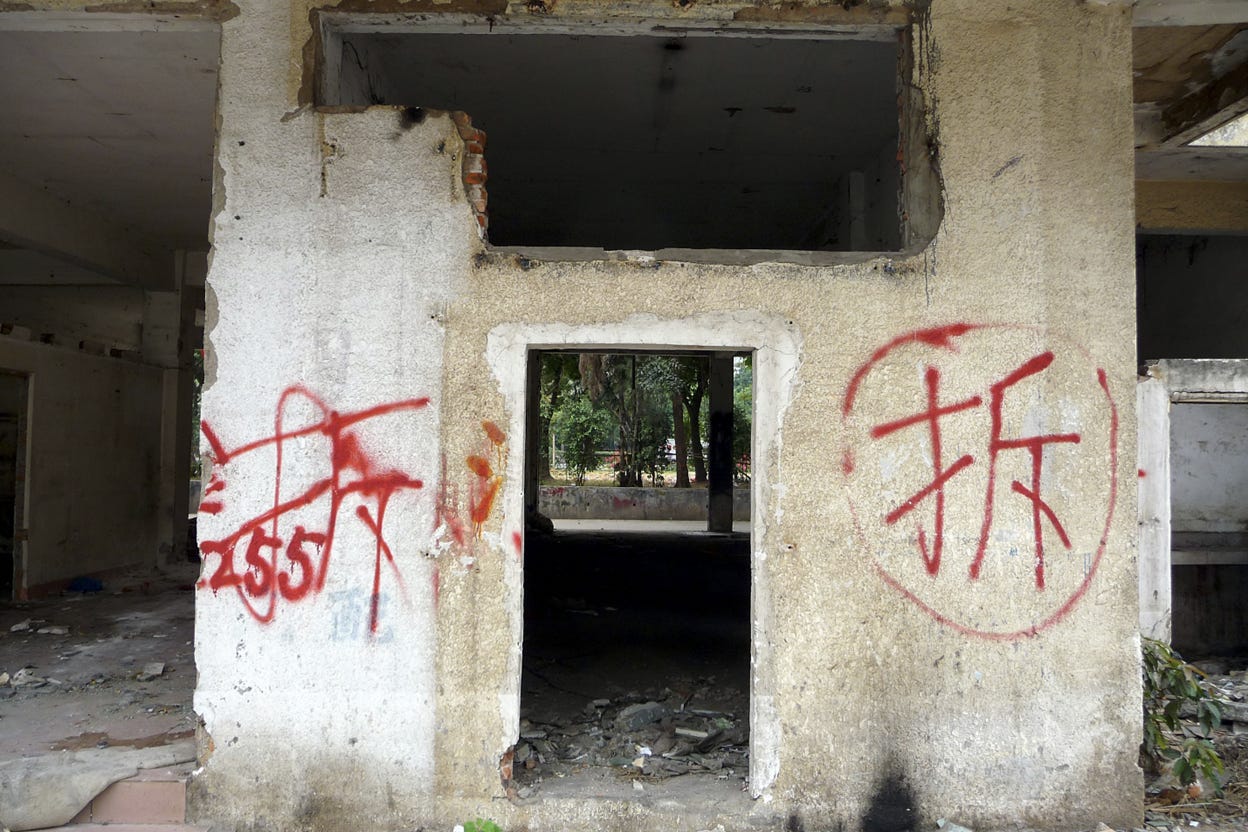
Below is the second playlist in the “Soundtrack to Hellworld” series, covering Chapter 1 – Buildings Devouring People. The chapter focuses on the process of enclosure in China, linking together themes of demolition and development to illustrate how a “New China” of glittering cityscapes emerged through a world-historic reshaping of the build environment. Much of the content focuses on the architectural and infrastructural transformation of the country’s physical environment, as illustrated the by the tumultuous history of “villages in the city” (城中村). For example, see these before, during, and after photos of the redevelopment of Dachong Village in Shenzhen, documented by a prolific Flickr user named Chris:
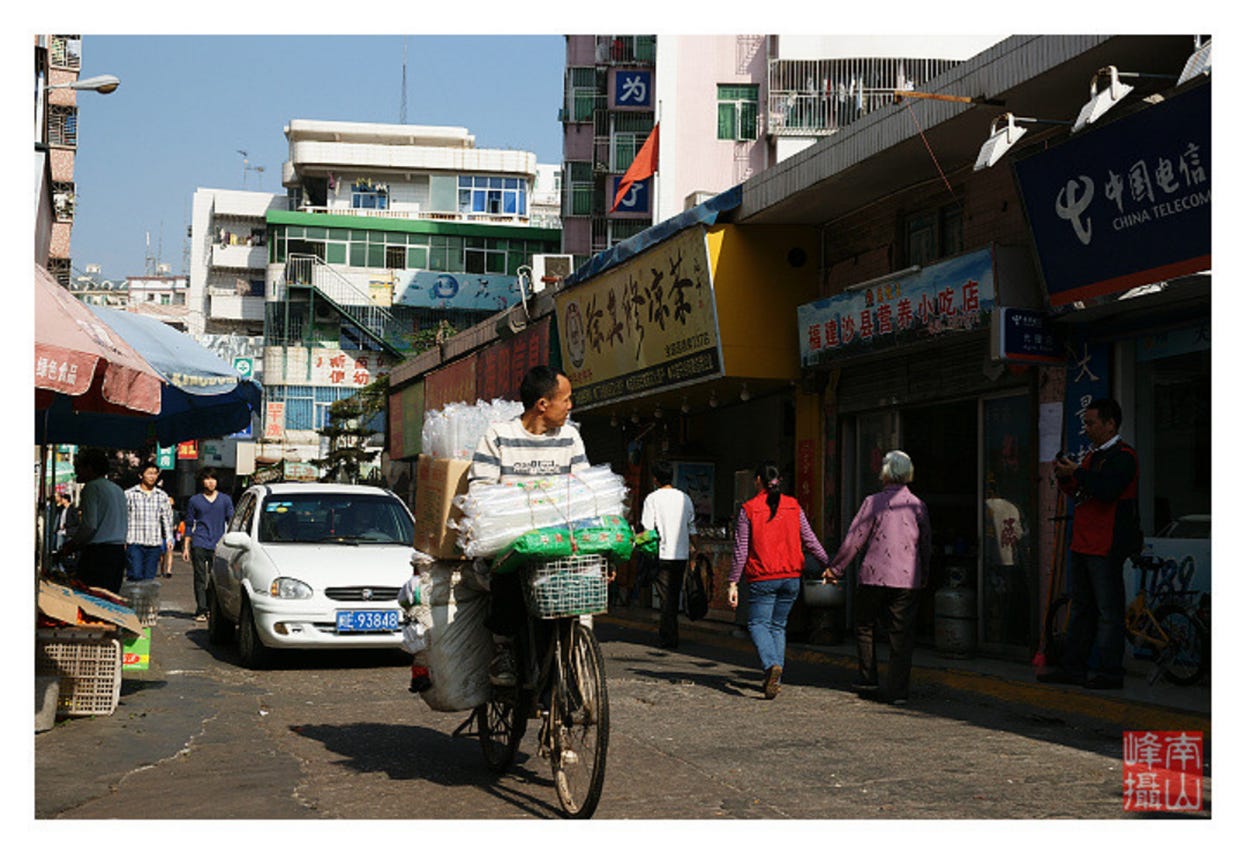
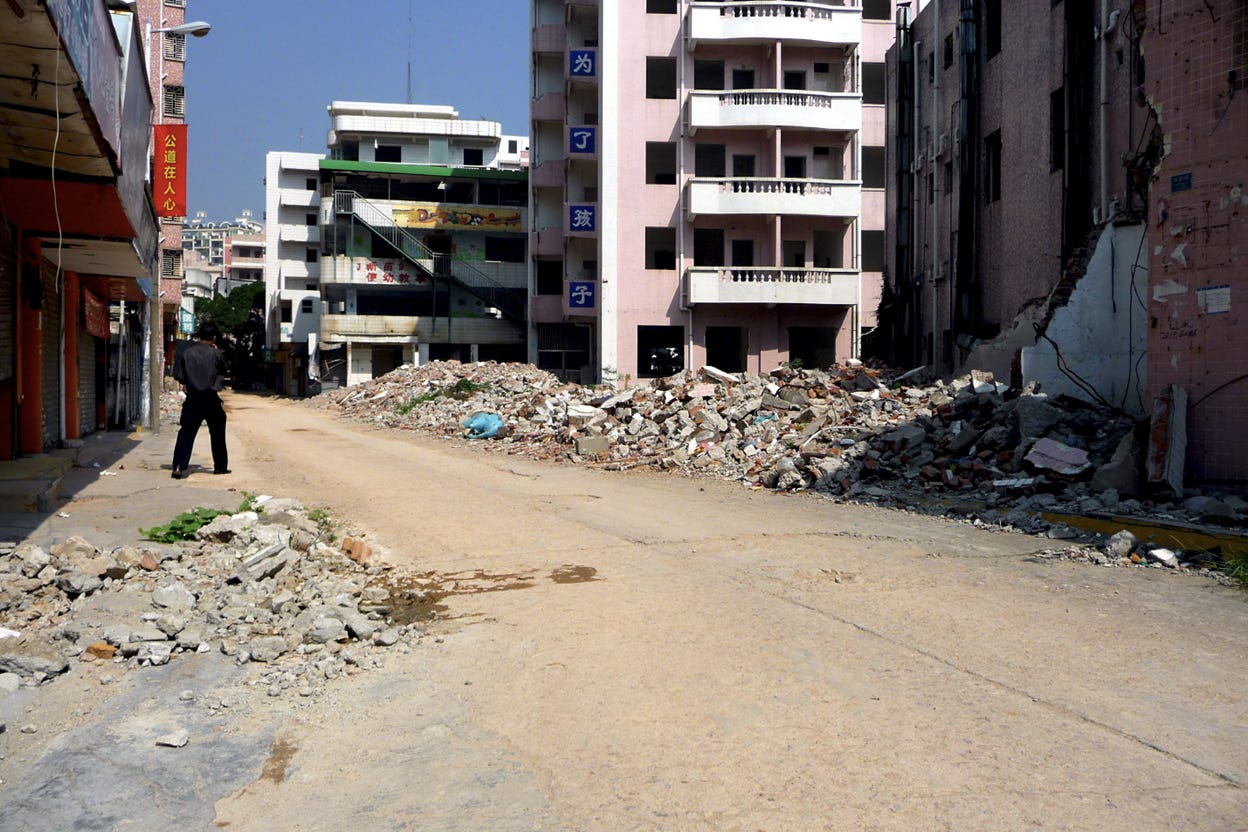
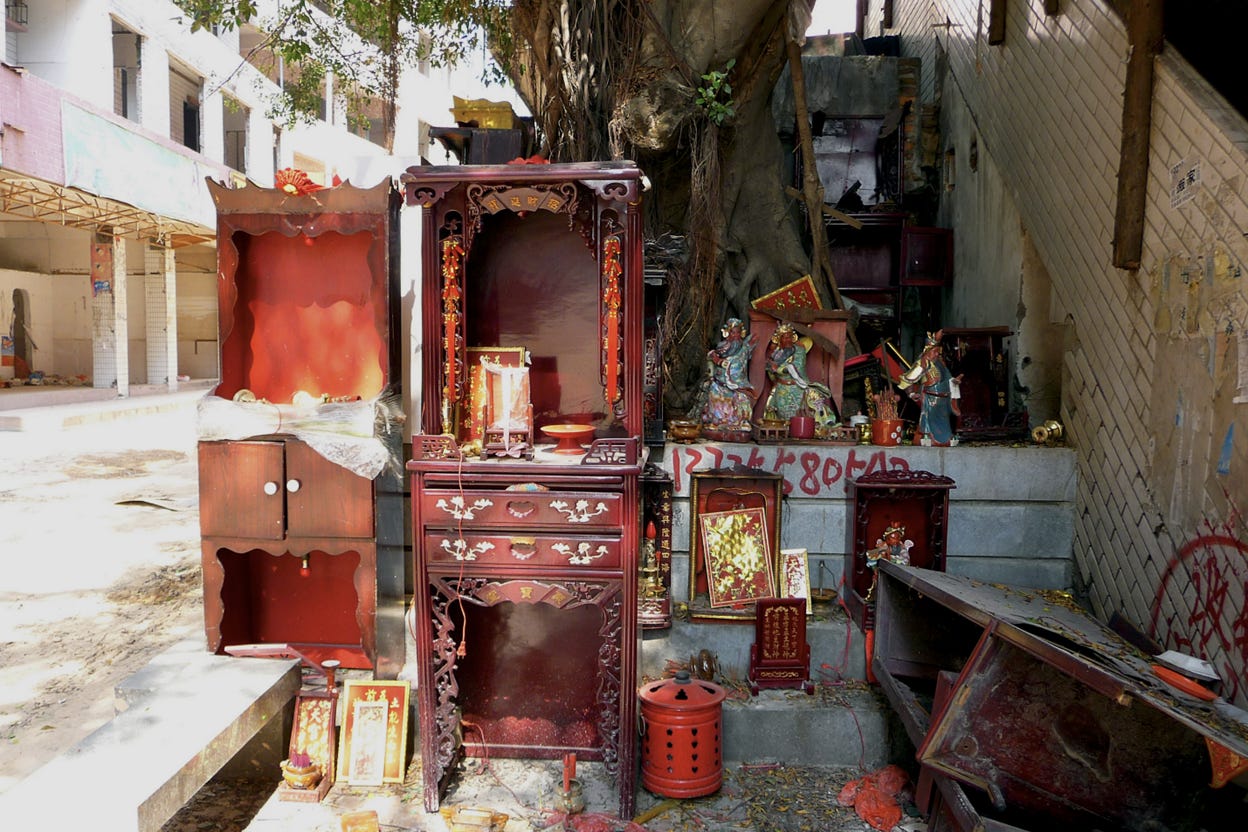
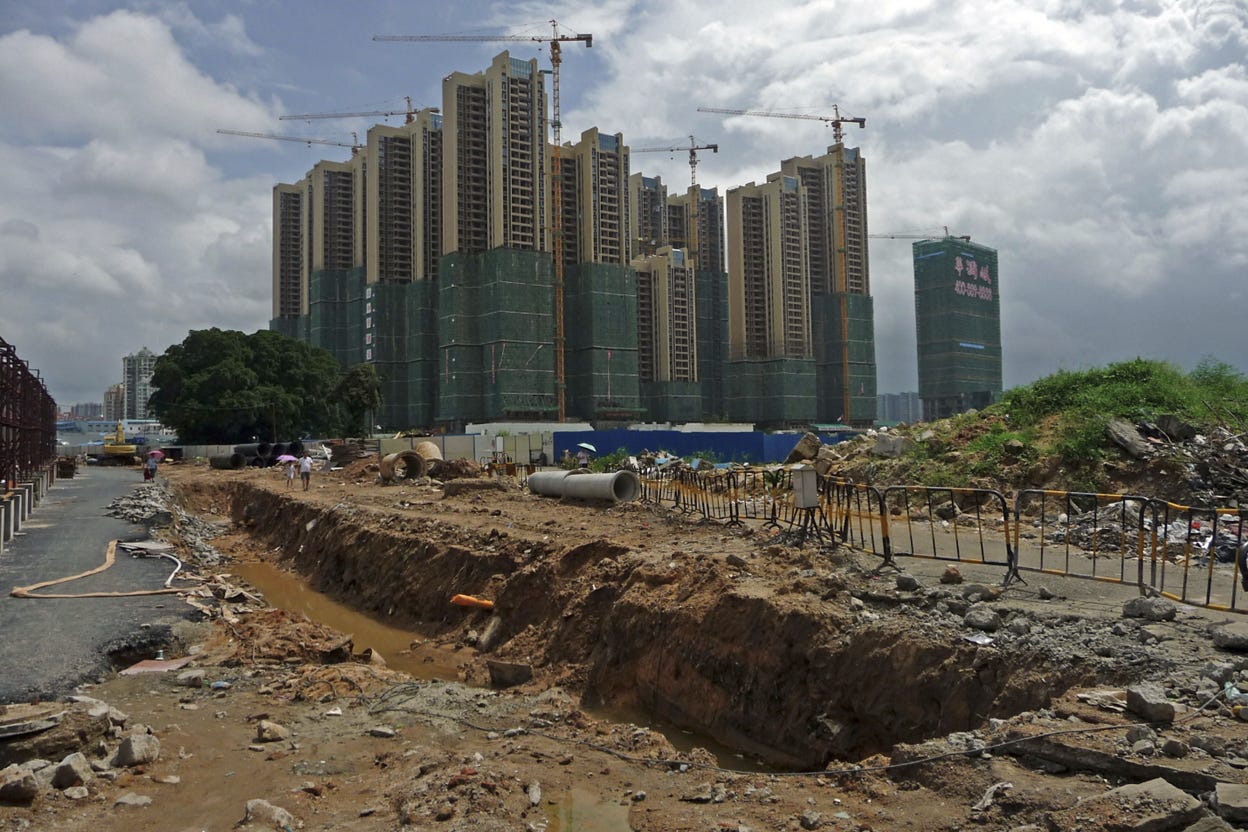
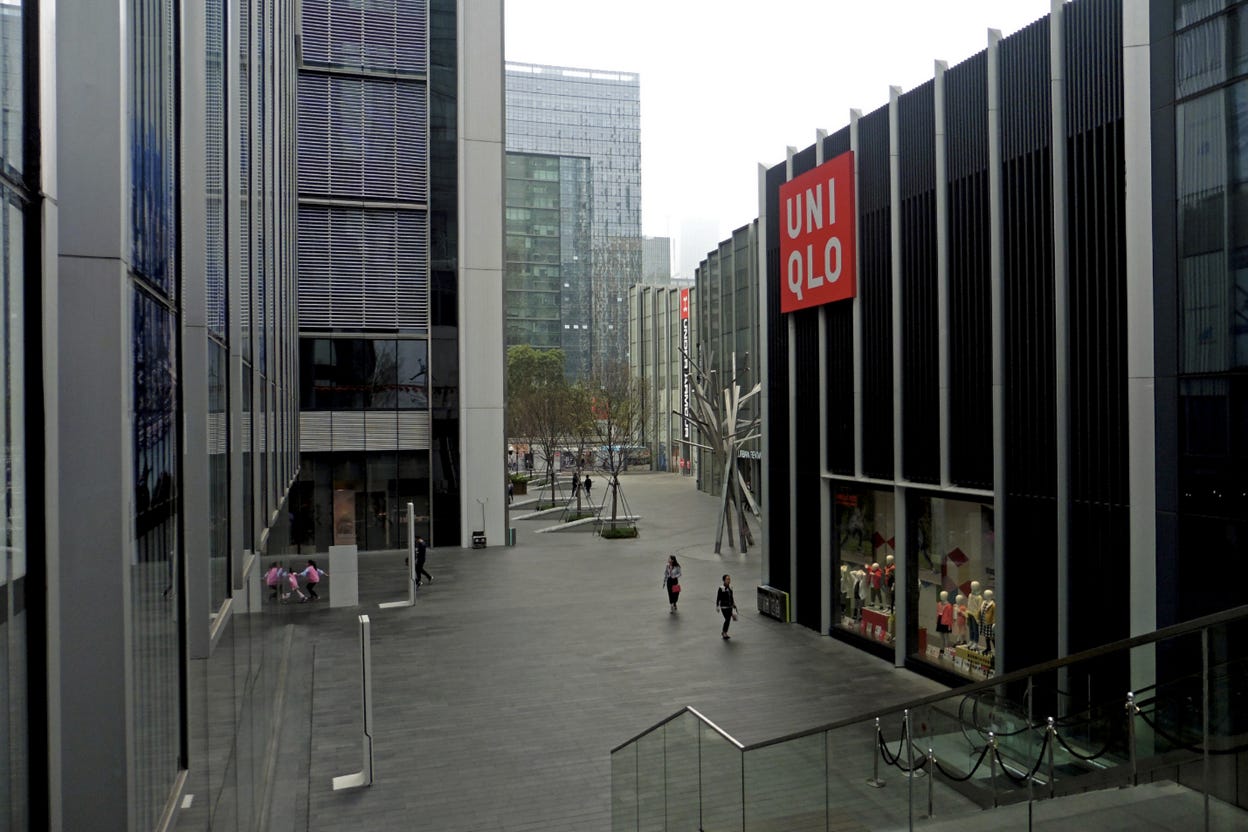
But the real protagonists in the chapter are the people caught up in this transformation. The chapter documents a series of struggles over land development, centering on the particularly tumultuous story of Xian Village, in Guangzhou. It also features an overview of “Smart / Shamate” (杀马特) subculture known for its aggressive hairstyles:
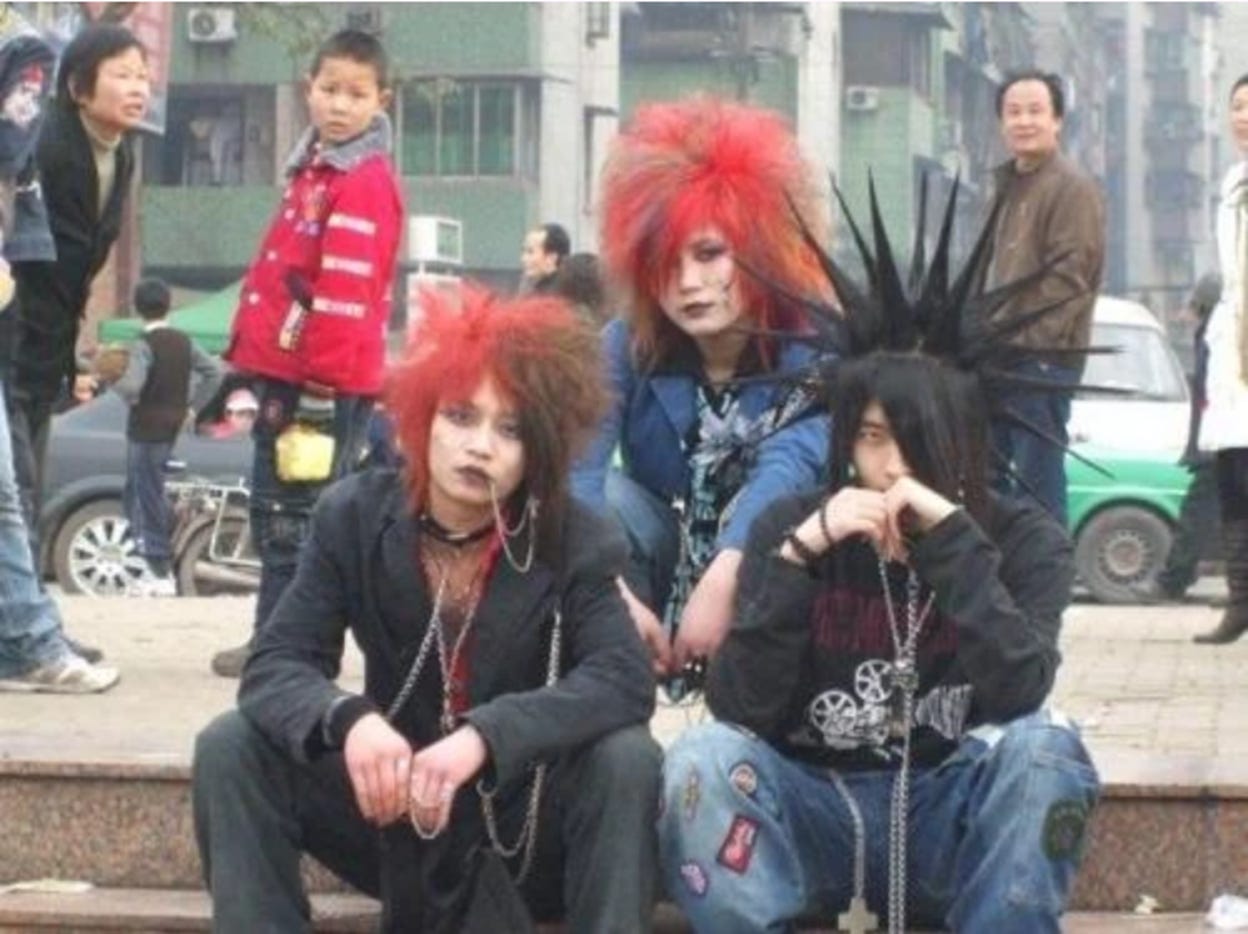

The tone of the chapter is set by these stories of rural-to-urban migration, breakneck development, and the feeling of there being “no future as a laborer” while “returning to the village has no meaning.”[1] Here is a representative section:
Aimless, we were drawn out by that simple, anxious yearning that one feels at the turning of the seasons, like the sensation of falling through the world, maybe, or the grim presentiment of some great loss to come that, many years later, you realize is in fact the inkling of a loss that had already passed unknown in the darkness. We chatted with the migrant vendors, telling them where we were from and asking the same, our stories intermingling in the cumin-laden smoke of streetside grills. I talked of dark mountain valleys cut by violent rivers, of dying languages, dying industries, dying farms and forests – and they spoke of the same, stories weaving tightly in the soft orange light. Then, of course, the threads peeled off in their divergent paths. Cheap feature phones chittered with blinking LEDs. The vendors spoke of hopes for their children in the city, the great distance already climbed from a peasant past. The picture I painted of the American wasteland was met by a deeply cynical but nonetheless earnest belief in progress, not at all blind to the brutal realities of demolition, corruption, and profound inequity but nonetheless recognizing that basically everything was better now than in the past. This wasn’t the Chinese Dream stoked among the rising middle classes, but it was at least a begrudging recognition that the tide of wealth was rising, even if they themselves sank.[2]
This passage is the tonal inspiration for the playlist, which intermixes sad songs from the “American wasteland” with the classic songs of heartache, homesickness, and urban ennui expressed in early Chinese rock and pop.
Rock is, by far, the genre most widely associated with the initial decades of economic opening in China, fusing Westernized pop sentiments imported via Hong Kong and Taiwan with traditional northern folk via influence from Northwest folk music (Xibeifeng). The resulting admixture was a strange fusion of rock and roll rebellion with a lyricism drawn from classical poetry. Take, for example, the lyrics to “In the Spring” (春天里) by Wang Feng (汪峰), included in the playlist below.
I still remember that spring from years ago [还记得许多年前的春天]
I’d not yet cut my long hair back then [那时的我还没剪去长发]
No credit cards, no her [没有信用卡没有她]
No house with 24-hour hot water [没有24小时热水的家]
But I was so happy then [可当初的我是那么快乐]
Even though all I had was a broken wooden guitar [虽然只有一把破木吉他]
On the streets, beneath the bridges, and in the middle of open fields [在街上在桥下在田野中]
Singing ballads that nobody cared about [唱着那无人问津的歌谣]
If one day / I grow old with no one to rely on [如果有一天 / 我老无所依]
Please leave me / in that time [请把我留在 / 在那时光里]
If one day / I should pass away silently [如果有一天 / 我悄然离去]
Please bury me / in that spring [请把我埋在 / 这春天里][3]
Prior to his solo career, Wang was a member of the Beijing rock scene as founder and lead vocalist of No 43. Baojia Street (鮑家街43號), which formed in 1994 and released three albums over the course of the decade. In the year 2000, Wang was offered a solo record deal by Warner Music’s Beijing subsidiary but, in accepting the deal, he had to cut his ties with the band. After signing, he released his solo version of an album originally written for No. 43 Baojia Street and, soon after, saw his career take off. His early work is not up on most streaming services, but No. 43 Baojia Street’s discography is archived on YouTube. Here is their first, self-titled album:
“In the Spring,” released in 2009, is written as a retrospective on a gritty but free life left behind in the wake of development. But the song is also clearly a story of bittersweet nostalgia in which Wang comes to terms with his decision to abandon the underground and embrace the market. More than this: as perhaps his most well-known commercial hit, the song is itself the very commodified art form that replaced the “ballads that nobody cared about,” which are romanticized only in retrospect. Though this involves a certain theme of regret and even a subtle sense of atonement for this self-betrayal, the symbolism here is not purely personal. At play is instead an implicit contrast between a genre that spoke to the hopes and hardscrabble realities of the early reform era and its gradual commercialization. This very commercial success then produces material comfort but also social atomization and, thereby, a romantic striving for the hard years of struggle in which all paths seemed possible. Released shortly after the Beijing Olympics, the song is an obvious metaphor for the experience of modernization.
This contrast is amplified by the unstable position of the rock genre within this narrative of modernization. Initially, the foreign, rebellious dimension of Chinese rock was most prominent and the genre was often treated as a threat to social stability. Beijing in the ‘80s, rocked by rapid reforms, served as the center of the early subculture. This also saw the genre associated the very social strata who would become the public face of the era’s most significant wave of protests:
Thanks to their anti-establishment and individualist themes, the music of early Chinese rock musicians like Cui Jian 老崔 … strongly resonated with university students and urban intellectuals. When the student protests broke out in Tiananmen Square in 1989, they sang and listened to songs like Cui’s trademark “Nothing to My Name” (一无所有 yīwúsuǒyǒu). The singer even played a brief concert for the protestors two weeks before the tragedy of June 4.[4]
This song by Cui is featured in the playlist below, placed alongside equally prominent pieces by contemporary rock groups like Black Panther (黑豹) and singers like Liu Huan (刘欢), known for his theme songs to historical dramas broadcast across television networks in the ‘90s.
The movie Beijing Bastards is the classic depiction of the era, featuring Cui in the lead, alongside a number of other major figures in the subculture.[2] See, for example, this rendition of “Dreaming” (做梦) by Dou Wei (窦唯) performed live for the film:
Another track by Dou is included in the playlist below. As the reform and opening progressed, the grimy and gritty feel of the city in Beijing Bastards could soon be found across the country. Director Lou Ye’s neo-noir Suzhou River, set in a pollution-choked Shanghai, is a case in point. And the soundtrack to the film expresses a similar sentiment:
Over time, however, the gritty, rebellious character of rock was slowly eroded by its romantic, nationalistic undercurrent. Groups like Tang Dynasty (唐代) would soon become representative of this current, bringing traditionalist elements to the forefront.[5] See, for example, the music video for their piece “Dream of Returning to the Tang Dynasty” (梦回唐朝):
However, Liu Huan’s television themes are likely the most representative case of the more general theme, serving as the literal voice of pop-inflected neo-traditionalism for an entire generation:
By the 2000s, the gritty, rebellious threat of the rock subculture had been converted into its opposite: “Ironically, advocating a return to authentic traditional roots has converted an oppositional subculture, which was originally a locus of resistance against the status quo, to a nationalistic symbol praised by the official press as a domestic alternative to foreign imports.”[6]
But commercialization played a far more important role than state institutions. In 2001, China entered the WTO and the gritty Beijing of Beijing Bastards began its slow transformation into the clean, modern megacity of the Beijing Olympics. That same year saw the release of Hong Kong film Beijing Rocks (北京樂與路), a hyper-commercialized knockoff of Beijing Bastards that replaced the real rockstar leads with professional actors, American-Chinese Daniel Wu and Hong Kong-Taiwanese Shu Qi. Though the film featured interviews and performances from actual indie rocks bands in Beijing’s Shucun neighborhood, long a center of underground music, the musicians interviewed later issued a statement protesting their depiction and ending their involvement with the film, which they referred to as a “shallow, sensationalist commercial film” representative of a broader trend of cultural cooptation: “The mainstream controls the market and the media, excluding underground rock while selectively plucking out commodities that can be turned into idols.”[7]
Overall, the tone of even many upbeat rock songs is, in retrospect, that of an expansive sense of loss. Paired here with sad, romantic pop ballads by major singers like Yang Yuying (杨钰莹) and Na Ying (那英), the playlist alternates between, on the one hand, grim Americana and droning dirges of deindustrialization, and, on the other, saccharine songs of lost love and rock rebellion in the gritty streets of a Beijing long ago demolished:
[1] Kam Wing Chan, “The Global Financial Crisis and Migrant Workers in China: ‘There is no Future as a Labourer; Returning to the Village has No Meaning,” International Journal of Urban and Regional Research. 34(3), September 2010. p.665
[2] Hellworld, p.77
[3] Translation mine
[4] Tristan Shaw, “‘Beijing Bastards’: An unsavory portrait of ‘90s Beijing with legendary rock star Cui Jian”, The China Project, 02 August 2019. <https://thechinaproject.com/2019/08/02/beijing-bastards-an-unsavory-portrait-of-90s-beijing-with-cui-jian/>
[5] You can find the whole movie up for free on Youtube here, in glorious 240p resolution.
[6] Lead singer and co-founder of the group Kaiser Kuo went on to found the Sinica podcast, probably one of the most widely listened-to anglophone podcasts on current affairs in China.
[7] Hao Huang, “Yaogun Yinyue: rethinking mainland Chinese rock ‘n’ roll”, Popular Music, 20(1), 2001. p. 8
[8] [主流文化控制的市场和媒体,一边把地下摇滚挡在外边,一边从中挑选着可以变成偶像的商品。] My translation. Read the original here: <https://www.douban.com/note/794043377/?_i=62467778aATKL9,62468958aATKL9>